
-
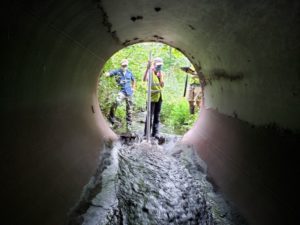
Funding Available for Tributary Restoration Projects in the Hudson River Estuary
NEIWPCC and the New York State Department of Environmental Conservation’s Hudson River Estuary Program invite proposals for projects that will help communities restore aquatic organism passage and habitat connectivity, reduce localized flood risks, and improve water quality in and along Hudson River estuary tributaries. Proposals to design and/or construct aquatic organism passage improvements and road…
-
Call for Abstracts Now Open: U.S. Symposium on Harmful Algae
NEIWPCC is now accepting abstracts for the 12th U.S. Symposium on Harmful Algae, to be held October 27 – November 1, in Portland, Maine. NEIWPCC is coordinating the symposium with support from the U.S. National Office for Harmful Algal Blooms (HABs) at the Woods Hole Oceanographic Institution and the U.S. Geological Survey. Abstract submissions are due…
-
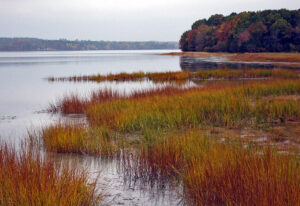
Clean Water Podcast Examines Restoration in New Hampshire’s Great Bay
Along the coast of New Hampshire, water quality improvements, eelgrass restoration, oyster aquaculture, and the local food movement come together in this episode of the “Clean Water Pod” podcast. Listeners will learn about research taking place in the Great Bay estuary – part of the U.S. EPA’s National Estuaries Program – and efforts to reduce…
-
Spring Course Registration Now Available on Updated Wastewater Training Webpage
Wastewater professionals seeking to sign up for NEIWPCC training courses are in for a treat. The training webpage recently got a makeover to make the site more user-friendly and enhance its functionality. Site users can purchase guides and manuals, register for training courses, and renew Maine wastewater operator certification. The page includes a training calendar…
-
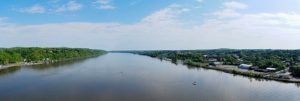
Funding Available for Hudson River Shoreline Resiliency Project
NEIWPCC and the New York State Department of Environmental Conservation’s Hudson River Estuary Program invite proposals from environmental engineering firms interested in partnering with high flood-risk Hudson Riverfront municipalities to design a shoreline resiliency project. The proposals will use existing community-supported, conceptual shoreline resiliency plans to make them “shovel ready” for the host municipality to fund…
-
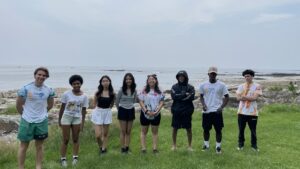
New Video Highlights the Youth and the Environment Program
NEIWPCC’s YouTube channel has a new video about the Youth and the Environment Program (YEP), which has been providing youths from underserved communities with experiences in the environmental field since 1990. The goal of YEP is to engage young adults with their local environment, while introducing them to career opportunities in the field of wastewater. …
-
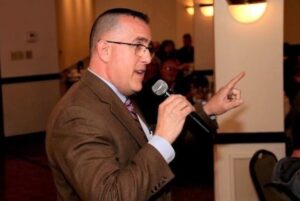
EPA Honors NEIWPCC Partner with Lifetime Achievement Award
For more than 50 years, the U.S. Environmental Protection Agency (EPA) New England region has recognized those who have made outstanding contributions to protect the region’s environment. The 2023 Environmental Merit Awards, presented during the New England Water Environment Association (NEWEA) Annual Conference awards luncheon on January 24, included a long-time NEIWPCC partner. William (Bill) Patenaude,…
-
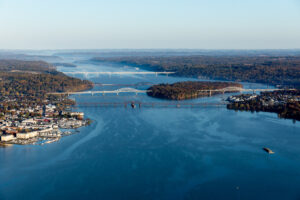
Clean Water Podcast Delves Into Maryland’s Nutrient Reduction Strategy
Addressing nutrient pollution in the largest estuary in the United States – the Chesapeake Bay – is the topic of the latest episode of the “Clean Water Pod” podcast. Maryland’s Bay Restoration Fund (BRF), established in 2004, is dedicated to upgrading wastewater treatment plants to meet nutrient reduction goals in support of improvements to the…
-
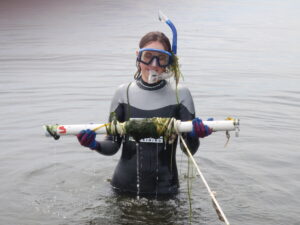
Staff Spotlight Video Series Highlights Work of NEIWPCC Employees
In a new video series available on the NEIWPCC website and social media channels, viewers can hear from NEIWPCC staff about work being done to preserve and advance water quality in the Northeast. The “Staff Spotlight Series” launched in August 2023 and includes four short video interviews from staff at the Hudson River National Estuarine…
-
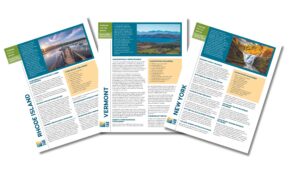
Reports Detail NEIWPCC’s Annual Scope of Work for Each Member State
NEIWPCC’s annual state summaries are now available on its website. These two-page reports provide a breakdown of NEIWPCC’s work from 2022-2023 in each member states, as well as collectively across the region. The state summaries highlight some of the most pressing clean water challenges facing the Northeast, including Per-and polyfluoroalkyl substances (PFAS), climate change impacts,…