
-
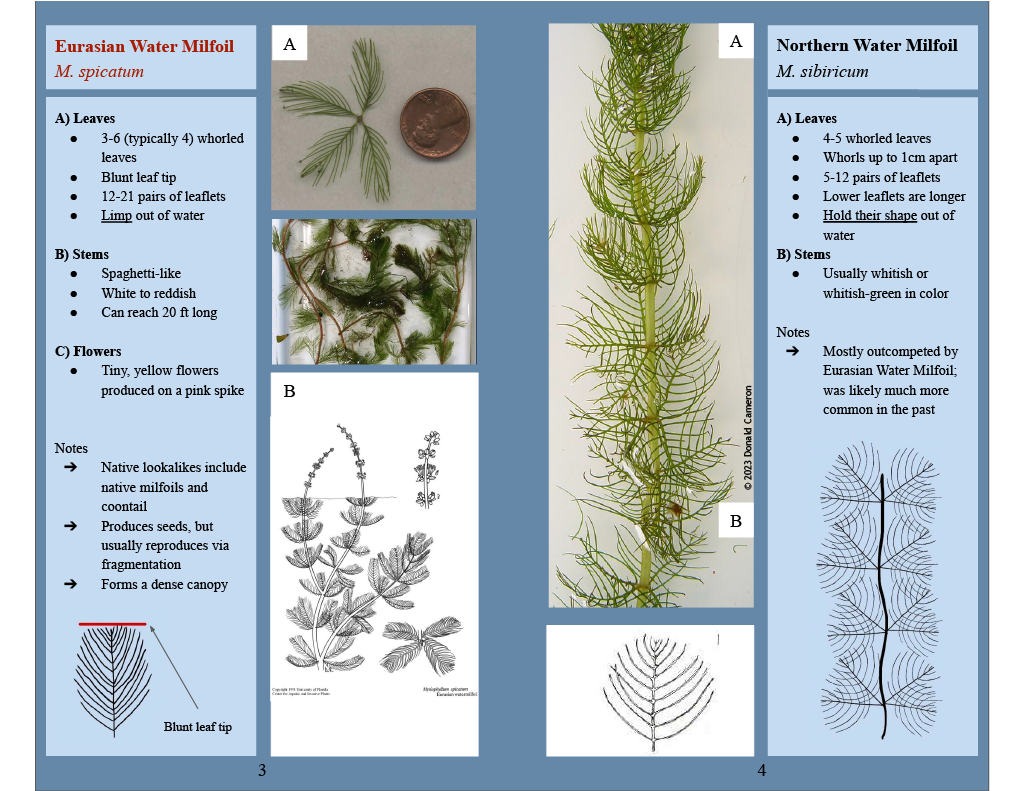
Hudson River Aquatic Plant Guide Now Available
A new identification guide to the unique suite of plants found in the Hudson River Estuary and its tributaries is now available online. The “Aquatic Plants of the Northeast” field guide documents regional variations of both native and nonnative plants and supports the identification of early emerging invasive species – a key goal of the…
-
Clean Water Podcast Addresses Septic Leachate Pollution in Montana Watershed
The latest episode of the “Clean Water Pod” travels to northwestern Montana’s Flathead Basin to explore nutrient pollution resulting from underperforming or failing septic systems. Multiple studies have identified septic leachate as a primary source of this contamination, making it a focus of the watershed’s nutrient Total Maximum Daily Load (TMDL) strategies to meet water…
-
Updated Website Enhances Understanding of Hudson River Data
Scientists, teachers, and local communities along the Hudson and Mohawk Rivers in New York can now quickly access water quality and weather data in real time through a newly redesigned website, the Hudson River Environmental Conditions Observing System (HRECOS). The site features an updated user-friendly dashboard, which tracks conditions and transmits information back from 17…
-
Mapping the Hudson River Estuary Shoreline
Last summer, NEIWPCC staff at the Hudson River Estuary Program mapped the shoreline via boat survey from the Mario M. Cuomo Bridge near Tarrytown to the Federal Dam in Troy, New York. A total of 1,332 shoreline segments were identified and inventoried, documenting conditions of engineered and natural shoreline sections. The field data and site…
-
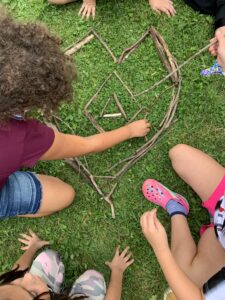
Environmental Stewardship Through Art
By James Brangan Art inspires appreciation, which spurs understanding that leads to positive action. In 2019, the Lake Champlain Basin Program (LCBP) established an Artist-in- Residence (AiR) grant program to help artists, students, and their audiences make those connections. In the first year of the program, a grant supported the Friends of the Winooski River,…
-
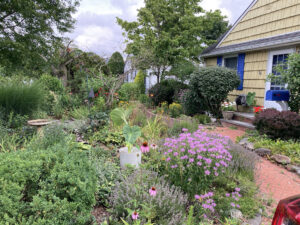
Stormwater Mitigation Program Rewards Long Island Homeowners
The inaugural year of the Long Island (New York) Garden Rewards Program provided more than 200 homeowners with grants to help cover the cost and maintenance of stormwater runoff mitigation projects on their property. The Program is a partnership between the Long Island Regional Planning Council (LIRPC), New York State Department of Environmental Conservation (NYSDEC),…
-
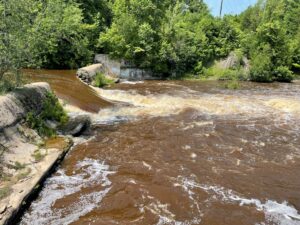
Dam Removal Advances Atlantic Salmon Restoration in Lake Champlain Basin
Two dams that stand between Atlantic salmon and upstream spawning habitat on the Saranac River in New York are coming down, the culmination of years of collaboration among the U.S. Fish and Wildlife Service, Trout Unlimited and other public-private partners. The Lake Champlain Basin Program supported the project by providing $370,000 in funding through its…
-
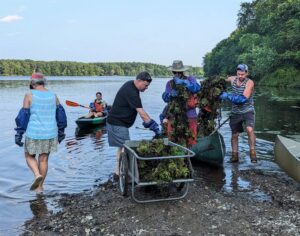
Volunteers Remove Invasive Plant from Waterways
Working from both land and water, volunteers hand-pulled water chestnut, an invasive plant, from waterbodies in Rhode Island and Massachusetts. Over the course of 10 events this past June and July, 133 community members removed forty-six cubic yards of plant material from four locations, totaling 463 volunteer hours. These efforts are part of a habitat…
-
Beneath the Surface
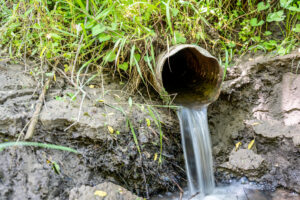
By Matthew C. H. Vaughan In forested watersheds, we are accustomed to seeing tranquil headwater streams and cascading rivers flow through the trees. In cities, gutters and storm drains replace these natural features to move water through the urban environment. For agricultural landscape, however, hidden “tile drains” make up water conveyance systems that are often…
-
National Nonpoint Source Workshop focuses on Collaboration and Interconnectedness
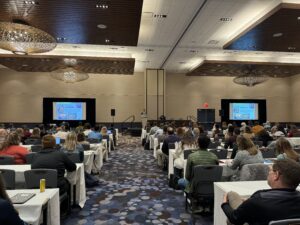
NEIWPCC hosted a four-day National Nonpoint Source (NPS) Training Workshop in Minneapolis in November. The event brought together more than 300 federal, state, tribal, territorial, and other NPS program practitioners involved with activities under Section 319 of the Clean Water Act. Last held in-person in 2018, the workshop provided a forum for discussion and coordination…