
-
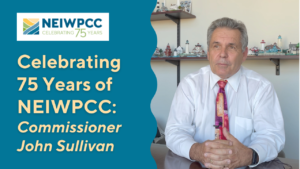
NEIWPCC Commissioner John Sullivan Reflects on His Career
Fifty Years at the Boston Water & Sewer Commission John Sullivan, NEIWPCC commissioner and chief engineer of the Boston Water & Sewer Commission (BWSC), is featured in a new video to commemorate NEIWPCC’s 75th anniversary. Sullivan reflects on his 50-year career at the BWSC, speaking about the challenges of Boston’s water and sewer infrastructure and…
-
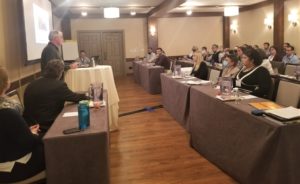
Nonpoint Source Conference Celebrates 50 Years of the Clean Water Act
Returning as an in-person event after being held virtually due to the pandemic, the 32nd Annual Nonpoint Source (NPS) Conference was held April 27-28 in Woodstock, Vermont. Acting as a regional forum to share information on NPS pollution issues, research, and related projects, the event drew more than 100 environmental professionals from the private and nonprofit…
-
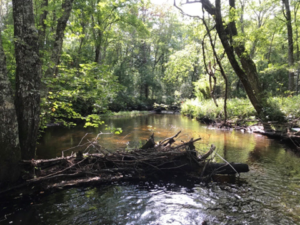
New Biotic Index Helps Resource Managers Assess Stream Health
Resource managers in Southern New England have a new tool to assess biological conditions and water quality in slow-moving streams. The index of biotic integrity (IBI) uses biomonitoring – the use of organisms such as fish, benthic macroinvertebrates, or algae to measure environmental impacts. The index was developed by NEIWPCC and the Southeastern New England…
-
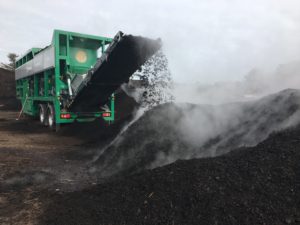
The First Fully Integrated Sludge Composting System
Durham, New Hampshire Wastewater Treatment Facility By Nelson Thibault In the late 1970s, I was hired by a New Hampshire consultant engineering firm, Hoyle, Tanner & Associates (HTA), as onsite construction manager for the $7 million expansion and upgrade of the Durham, New Hampshire Wastewater Treatment Facility. Due to the funding, technology, and the politics…
-
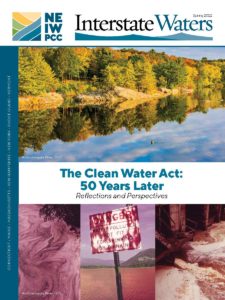
Interstate Waters Magazine Focuses on the 50th Anniversary of the Clean Water Act
NEIWPCC marks the 50th anniversary of the Clean Water Act (CWA) in the Spring 2022 issue of “Interstate Waters.” This landmark environmental legislation, which has defined how the nation’s water resources are protected and restored, has led to tremendous progress in cleaning up our waterways. However, new challenges continue to arise, requiring NEIWPCC’s ongoing attention…
-
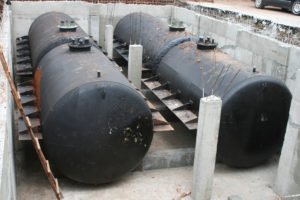
National Tanks Program Has Cleaned Up 90% of Petroleum Releases
EPA Thanks Partners For Achieving Milestone in Latest Issue of “L.U.S.T.Line” More than 500,000 petroleum releases from underground storage tanks (UST) have been cleaned up since the establishment of the national UST program over 30 years ago. According to Mark Barolo, acting director of the U.S. Environmental Protection Agency’s Office of Underground Storage Tanks, this…
-
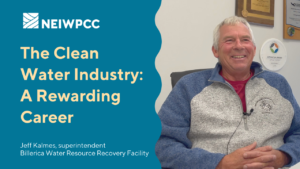
Rewarding Jobs with a Great Mission: Clean Water Industry
Jeff Kalmes, superintendent of the Billerica Water Resource Recovery Facility in Billerica, Massachusetts, enthusiastically encourages viewers to consider a career in water resource recovery – also known as the wastewater industry – in this new video. The video aims to shine a light on this often out-of-sight, out-of-mind industry that is facing a crucial staffing…
-
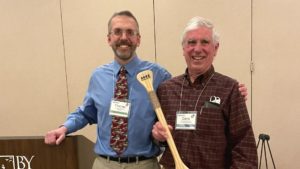
NEIWPCC Returns to In-Person Events with the Annual Northeast Aquatic Biologists Conference
Attendees’ face masks could not hide the beaming smiles underneath, as regional attendees at the Northeast Aquatic Biologists (NAB) Conference greeted each other after two long years of virtual collaboration. Many enthusiastic waves, cheerful elbow bumps, and spirited hugs between friends were witnessed throughout the event. After over a year of successful virtual conferences, NEIWPCC…
-
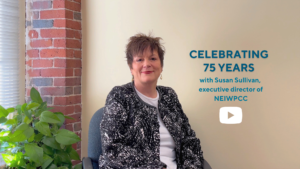
Reflecting on 75 Years
Executive Director Susan Sullivan launches a new video to celebrate NEIWPCC’s 75th anniversary. Click here to view it on YouTube. Sullivan’s career spans more than three decades with NEIWPCC, where she has witnessed incredible organizational growth and capacity building, as well as improvements to the region’s water quality. “An anniversary isn’t just a celebration of…