
-
Diving into States’ Impaired Waters List
Episode 4 of the Clean Water Pod Jokingly called the “naughty list” by some water professionals, the Clean Water Act Section 303(d)’s list of impaired waters helps to define the extent of pollution within the nation’s water bodies. When a state determines that a water body such as a lake or a river is polluted,…
-

Animated Website Aims at Reducing Phosphorus Pollution in Lake Champlain
The Lake Champlain Basin Program (LCBP) recently launched a website dedicated to simplifying the lake’s phosphorus reduction plan. The site — Clean Water Commitment — takes a unique approach to educating the public on how they can be of assistance. “We wanted the website to be fun and light in order to engage people who…
-
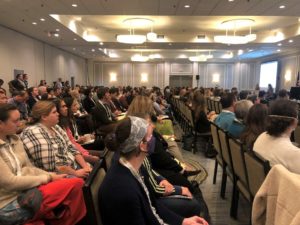
Harmful Algal Blooms Conference Focuses on Nationwide Solutions
This past October, students, scientists, and industry professionals traveled to Albany, New York to kick off the 11th U.S. Symposium on Harmful Algae. The six-day conference operated under the theme “Science to Support Solutions from Shore to Shore,” to recognize that harmful algal blooms (HABs) present a nationwide challenge that impacts a variety of ecosystems.…
-
Exploring the Building Blocks of Water Quality Standards: Episode Two of The Clean Water Pod
The second episode of NEIWPCC’s new podcast, “The Clean Water Pod,” is now available, focusing on water quality standards. Host Jeff Berckes speaks with Jennifer Wigal, water quality administrator for the Oregon Department of Environmental Quality, and Thomas Mumley, assistant executive officer at the San Francisco Bay Regional Water Quality Control Board. “Water quality standards…
-
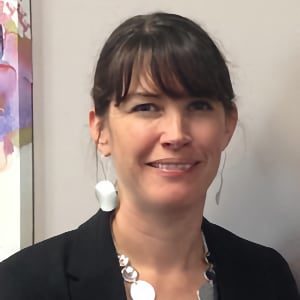
EPA Honors NEIWPCC Commissioners with Regional Environmental Awards
For more than 50 years, the U.S. Environmental Protection Agency (EPA) New England has recognized those who have made outstanding contributions to protect the region’s environment. The 2022 Environmental Merit Awards, presented in a virtual ceremony on Oct. 12, included several NEIWPCC partners. NEIWPCC Commissioner Melanie Loyzim was honored with the Ira Leighton “In Service…
-
NEIWPCC Launches Clean Water Podcast
Launching on the 50th anniversary of the Clean Water Act, The Clean Water Pod explores the challenges and successes of restoring and protecting water quality. Host Jeff Berckes will speak with environmental professionals from across the country to build an understanding of how to meet the goals of the Clean Water Act. Season one of…
-
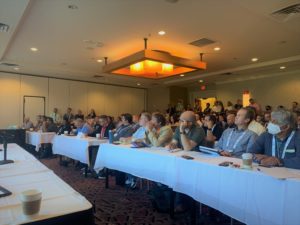
National Tanks Conference Draws 600 Attendees
There were many new faces at the National Tanks Conference in Pittsburgh this September. Like many other industries, the field of underground storage tank regulation and leak prevention has seen significant staff turnover in the last few years. As industry veterans have retired, they’ve left the role of networking, knowledge-sharing, and collaboration with their counterparts…
-
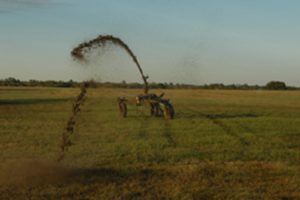
New Report Informs Next Steps on Regional Sludge Management
Survey results show reuse and disposal methods currently used in the Northeast. Sludge management infrastructure in the Northeast is experiencing significant challenges, such as aging incinerators, reduced landfill capacity, and emerging contaminants. The Northeast Regional Sludge End-Use and Disposal Estimate report documents how nearly 800,000 tons of sewage sludge were disposed of or beneficially reused…
-
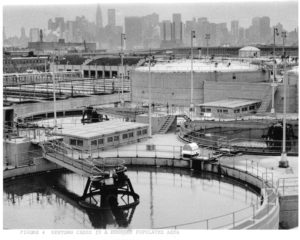
Clean Water Timeline Documents NEIWPCC and Industry Milestones
Meander through time with a new digital timeline to honor NEIWPCC’s 75th anniversary and 50 years of the federal Clean Water Act. Beginning in 1899 with the Rivers and Harbors Act, the timeline catalogs key water-related events, legislation, and milestones at the national and regional level that helped to shape the industry, as well as…