
-
NEIWPCC Supports Massachusetts’s Efforts to Limit Pollution From Septic Systems
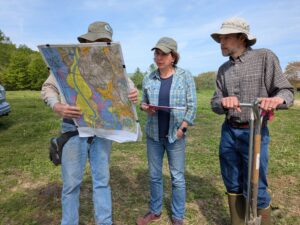
More than one in five households across the United States depend on septic systems to treat their wastewater, but in rural parts of New England, that number can be as high as one in every two households, according to the U.S. Environmental Protection Agency (EPA). “The Northeast has a higher proportion of homes serviced by septic…
-
New Index Evaluates the Health of Long Island Sound
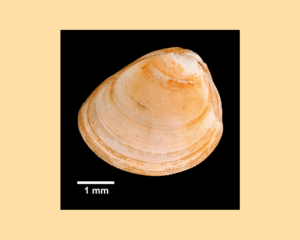
A collaborative effort has culminated in the launch of an innovative macroinvertebrate‑based assessment tool for Long Island Sound bays and harbors. Developed by contractor Tetra Tech alongside the Connecticut Department of Energy and Environmental Protection (CT DEEP) and NEIWPCC, the Connecticut Long Island Sound (CTLIS) Macroinvertebrate Multimetric Index (MMI) offers a science‑driven method to evaluate…
-
Fifty New York Lakes Receive Water Quality Assessment
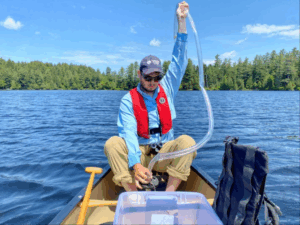
Targeting unassessed – or not recently assessed – waterbodies in the New York portion of the Lake Champlain watershed, trained community volunteers and field technicians at Paul Smith’s College Adirondack Watershed Institute (PSC AWI) collected water quality data on 50 lakes. Using this information, PSC AWI staff developed watershed action plans for three priority water…
-
New Hampshire Internship Provides Pathway Into the Wastewater Industry
Two interns who spent the summer receiving training from wastewater operators in Nashua now have the opportunity to receive an entry-level wastewater license through the Emerging Water Professionals Internship Program (EWPIP). NEIWPCC created the 13-week paid training program to address the growing shortage of wastewater professionals in the state. The program, which is in partnership…
-
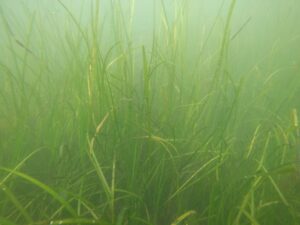
Project Launched to Update Eelgrass Habitat Model in Long Island Sound
This summer, NEIWPCC, in partnership with the Connecticut National Estuarine Research Reserve (CTNERR) and Cornell Cooperative Extension Suffolk County (CCESC), initiated a project to update and improve upon a 2013 site-suitability model for eelgrass habitat in the Long Island Sound. Development of this geographic information system (GIS)-based model is part of the broader Long Island…
-
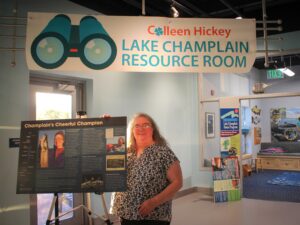
Lake Champlain Resource Room Dedicated to Long-Time NEIWPCC Staff Member
In recognition of Colleen Hickey’s 32 years of service to NEIWPCC at the Patrick Leahy Lake Champlain Basin Program (LCBP), the Lake Champlain Resource Room – located within the ECHO Leahy Center for Lake Champlain – has been renamed the Colleen Hickey Lake Champlain Resource Room. The dedication was announced by Julie Moore, secretary of…
-
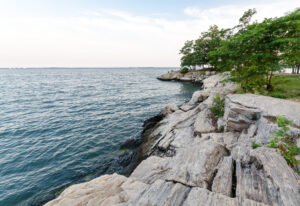
Abstracts Now Invited for the 2026 Northeast Aquatic Biologists Conference
NEIWPCC is seeking abstracts for the Northeast Aquatic Biologists (NAB) Conference, to be held February 4-6, 2026, in Westbrook, Connecticut. NEIWPCC is coordinating the conference in partnership with our member states and the U.S. Environmental Protection Agency. Abstract submissions are due on October 26, 2025. Submissions are invited from state, federal, tribal, and municipal government staff, the public…
-
L.U.S.T.Line Issue #95 Examines What is in Store for the Underground Storage Tank Industry
LUSTLine — the publication of record for the underground storage tank (UST) community — shares resources, research, and stories that cover industry topics such as release prevention, technical and regulatory compliance, and site cleanups. The most recent issue is now available as individual articles and in a PDF format on the NEIWPCC website. Issue #95…
-
NEIWPCC Welcomes 31 Interns and Seasonal Staff
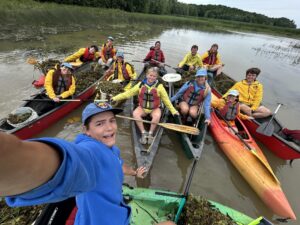
This summer, 31 interns and seasonal staff joined NEIWPCC’s team to gain first-hand training and career experience in various aspects of environmental work. Based out of four states, these paid positions range from wastewater treatment and invasive species management to business operations and communications. As part of the inaugural year of the Emerging Water Professionals…
-
Registration Opens for National Nonpoint Source Training Workshop
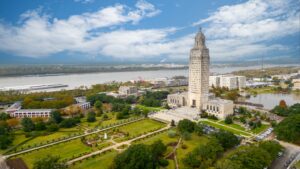
The 2025 National Nonpoint Source (NPS) Training Workshop will be held in Baton Rouge, Louisiana on October 27-29. Workshop participants will include state, federal, tribal, nation, and territorial NPS coordinators and invited watershed and non-profit organizations. Registration is open through October 10 for this invitation-only event. The event aims to enhance understanding and collaboration among…