
-
Handbook Offers Strategies for Hudson River Flood Resilience
In the state of New York, more than 100 public access sites, including parks, preserves, boat launches, and fishing piers along the shores of the tidal Hudson provide outstanding recreational, scenic, and economic value to the Hudson Valley. However, climate models project the estuary’s water-levels may rise several feet by the end of this century,…
-
Interactive Map Explores Rhode Island Salt Ponds
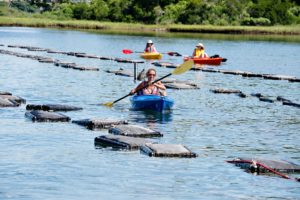
The landscape along Rhode Island’s south coast is carved up by salt ponds, each one a unique environment. A new, online resource tells the story of these ponds and the organization that protects them. The Narragansett Bay Estuary Program partnered with the Salt Pond Coalition to create a StoryMap—an interactive, online medium that integrates detailed…
-
Developing A Climate Resilience Vision
Waterfront communities on the tidal Hudson face rising sea levels and flood risk for important infrastructure, homes, and businesses. To help plan in addressing these threats, the Hudson River Estuary Program has created two short videos on the history and future of the Hudson. These videos, funded by NEIWPCC, are designed to show communities how…
-
EPA Recognizes Don Kennedy for Outstanding Service
Don Kennedy, NEIWPCC training coordinator, was honored by the U.S. Environmental Protection Agency’s (EPA) New England Office for outstanding service throughout his career. Kennedy received a 2020 Lifetime Achievement Award for his work providing training and technical assistance to wastewater professionals in New England throughout his many years of employment with NEIWPCC. Kennedy, who recently…
-
2020 State of the Hudson Report Now Available
New York State Department of Environmental Conservation (DEC) and the New York – New Jersey Harbor & Estuary Program have released the “2020 State of the Hudson.” The report documents the status and trends of the Hudson River Estuary’s water quality, its natural communities and inhabitants, and the health of the landscape that nurtures the…
-
Water Quality Standards across the Northeast
Updated Resource Compiles, Compares Water Regulations in the Region NEIWPCC recently completed a major update to our water quality standards matrix, designed to make it easy to compare how the states in the Northeast regulate different water quality parameters. The matrix includes criteria for thirty water quality parameters— that is, pollutants or characteristics—that some or…
-
From Mangroves to Wastewater: Stringer’s Water Journey
Dr. Christina Stringer, NEIWPCC’s new director of Wastewater and Onsite Systems, brings a wealth of experiences and perspective to her new role. Diving deep into water after earning a bachelor’s in chemistry, Dr. Stringer pursued a master’s in chemical oceanography, followed by a doctorate in geology, with a focus on ecohydrology (the interactions between water…
-
New Handbook Guides Hudson River Landowners
A new publication, “Creating and Maintaining Hudson River Views: A Handbook for Landowners,” is now available on the New York State Department of Environmental Conservation website. The handbook provides guidance for historic sites, land trusts, and owners of other large properties to use the best methods for environmental stewardship, creating and maintaining scenic vistas that…
-
New Culvert Constructed Under Plan Developed by NEIWPCC and Trout Unlimited
Following a management plan developed by Trout Unlimited and funded by the Hudson River Estuary Program in partnership with NEIWPCC, the town of Copake, NY recently completed the construction a new road culvert, replacing one that was severely in need of repair. The old culvert had posed a significant threat to the community’s infrastructure and…
-
Our Work During the Pandemic
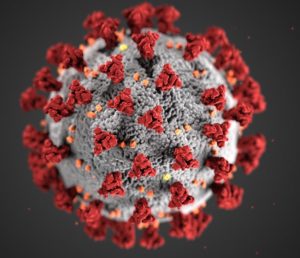
NEIWPCC adapts amid coronavirus crisis The first thing to go was our annual “all-staff” meeting that had been planned for the end of March. By mid-month, it seemed clear that interstate travel was not in the cards. Just a few days later, as state governors issued work-from-home orders, we postponed what would have been our…