
-
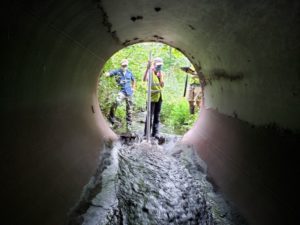
Funding Available for Tributary Restoration Projects in the Hudson River Estuary
NEIWPCC and the New York State Department of Environmental Conservation’s Hudson River Estuary Program invite proposals for projects that will help communities restore aquatic organism passage and habitat connectivity, reduce localized flood risks, and improve water quality in and along Hudson River estuary tributaries. Proposals to design and/or construct aquatic organism passage improvements and road…
-
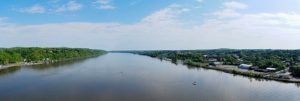
Funding Available for Hudson River Shoreline Resiliency Project
NEIWPCC and the New York State Department of Environmental Conservation’s Hudson River Estuary Program invite proposals from environmental engineering firms interested in partnering with high flood-risk Hudson Riverfront municipalities to design a shoreline resiliency project. The proposals will use existing community-supported, conceptual shoreline resiliency plans to make them “shovel ready” for the host municipality to fund…
-
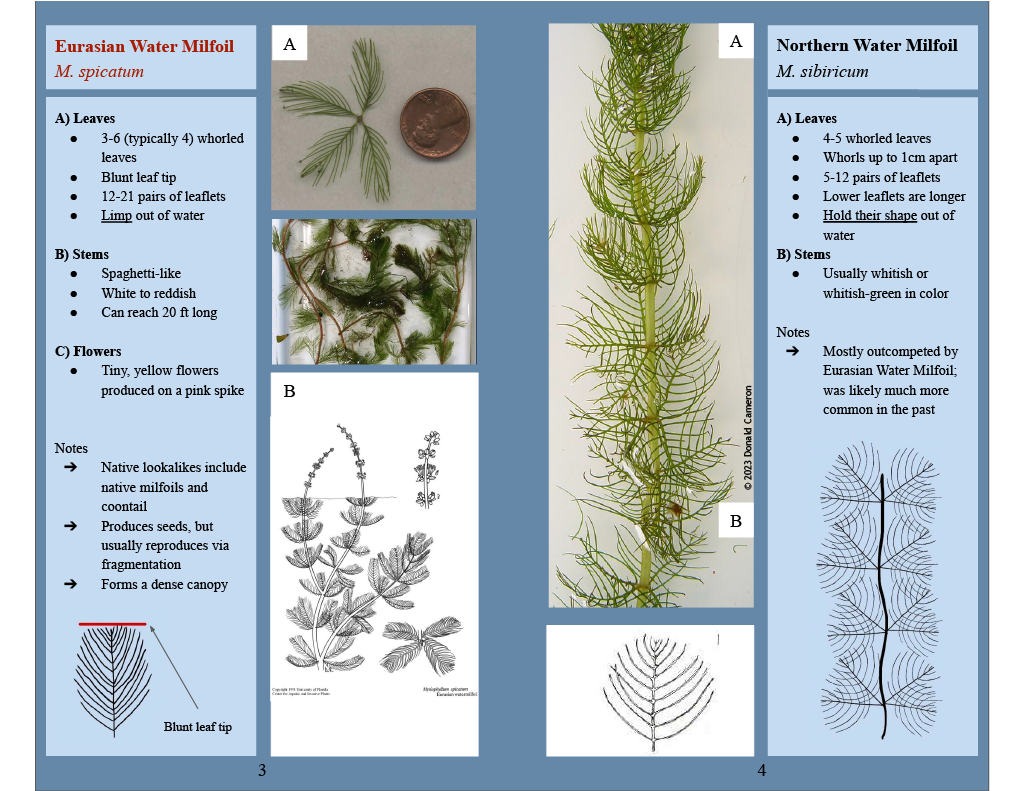
Hudson River Aquatic Plant Guide Now Available
A new identification guide to the unique suite of plants found in the Hudson River Estuary and its tributaries is now available online. The “Aquatic Plants of the Northeast” field guide documents regional variations of both native and nonnative plants and supports the identification of early emerging invasive species – a key goal of the…
-
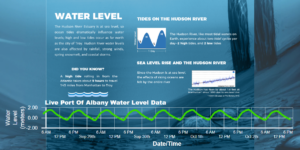
Updated Website Enhances Understanding of Hudson River Data
Scientists, teachers, and local communities along the Hudson and Mohawk Rivers in New York can now quickly access water quality and weather data in real time through a newly redesigned website, the Hudson River Environmental Conditions Observing System (HRECOS). The site features an updated user-friendly dashboard, which tracks conditions and transmits information back from 17…
-
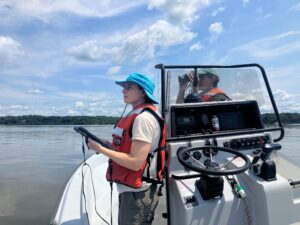
Mapping the Hudson River Estuary Shoreline
Last summer, NEIWPCC staff at the Hudson River Estuary Program mapped the shoreline via boat survey from the Mario M. Cuomo Bridge near Tarrytown to the Federal Dam in Troy, New York. A total of 1,332 shoreline segments were identified and inventoried, documenting conditions of engineered and natural shoreline sections. The field data and site…
-
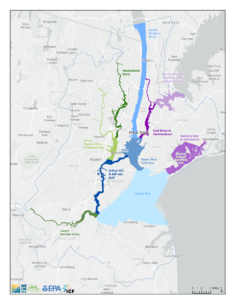
Economic Study in the New York-New Jersey Harbor Estuary Reveals Improved Water Quality Creates Significant Economic Value
The New York-New Jersey Harbor & Estuary Program (HEP) and NEIWPCC released the first-ever attempt to calculate the economic value of clean water in the New York-New Jersey Harbor Estuary. The report, which was completed by management consulting company ICF and NEIWPCC, and funded by the U.S. Environmental Protection Agency (EPA), suggests that even relatively…
-
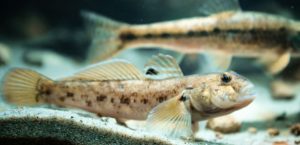
Knocking on Lake Champlain’s Door: The Round Goby
First found in the St. Clair River in Michigan in 1990, the round goby (Neogobius melanostomus) took five years to colonize all five Great Lakes. With the highly invasive fish making its way towards the Lake Champlain basin, a multi-agency effort is coordinating to stop the spread of this aggressive – and ecologically disruptive –…
-
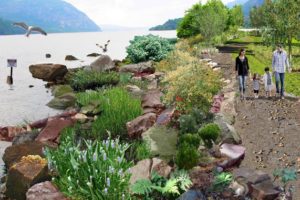
Seven Years in the Making: Flood Resiliency Project Comes to Fruition on the Hudson River
The Hudson River’s popular and scenic Dockside Park in the village of Cold Spring, New York is the site of a new sustainable shorelines demonstration project. The $1.85 million resiliency project will help Dockside Park withstand severe storms and flooding due to climate change and sea-level rise. The design concepts for these improvements began in…
-

New Hudson River Curriculum Guide Advances K-12 STEM Learning
The Hudson River Estuary Program announced a new Hudson River Curriculum Guide, featuring original lessons from the Estuary Program and its partners. The inquiry-based, multi-component science guide is designed for teachers and students to enhance STEM learning, as well as deepen their engagement and understanding of the Hudson River and its watershed. “The Hudson River…