
-
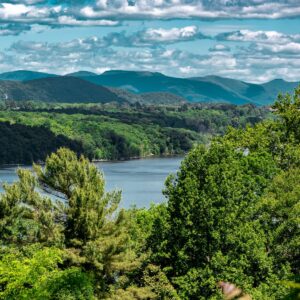
New York Offers Free Technical Assistance to Protect Drinking Water Sources
The New York State Drinking Water Source Protection Program (DWSP2) is a locally led, state-supported program that empowers municipalities to take action to improve and protect their public water sources and surrounding environment. The DWSP2 announced the availability of free technical assistance for up to 30 volunteer communities to develop and implement programs that proactively protect public drinking water…
-
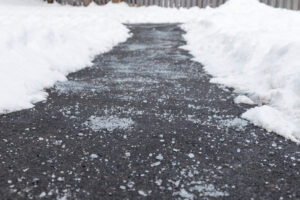
Hold the Salt: Reducing Winter Salt Application
By Beth MacBlane Across the globe and especially here in the Northeast, a dramatic increase in sodium chloride concentrations in freshwater has been documented due, in large part, to road salt application. Originating as a practice in New Hampshire in the 1940s, the use of de-icing salts in the region has increased exponentially. As the…
-
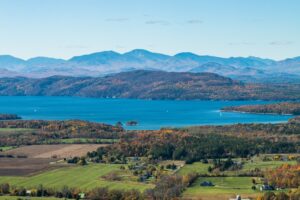
Clean Water Podcast Explores Interstate Efforts to Improve Health of Lake Champlain
The latest episode of the “Clean Water Pod” podcast addresses phosphorus pollution in Lake Champlain, which is located between New York, Vermont, and Canada. Host Jeff Berckes interviews a trio of guests discussing the unique interstate collaboration required to implement the lake’s Total Maximum Daily Load (TMDL), as well as the role of community engagement…
-
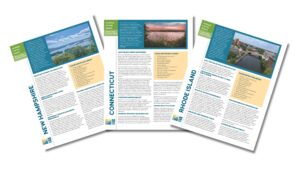
Summaries Highlight NEIWPCC’s Annual Work for Each Member State
NEIWPCC has published its annual “State Summaries,” outlining the organization’s work and impact in each of its seven members states throughout the fiscal year 2023-2024. These two-page reports also share the collaborative activities and events which benefited water professionals across the state lines to address clean water challenges to address clean water challenges including Per-and…
-
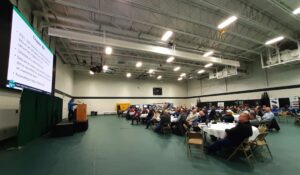
Registration Opens for Maine’s North Country Convention
The biennial North Country Convention will take place in Presque Isle, Maine, on April 2-3. The two-day educational event and trade show is designed for wastewater and drinking water operators working in central, downeast, and northern Maine. The convention features a variety of technical sessions, exhibitor interaction, luncheon speakers, and networking opportunities. The agenda is currently…
-
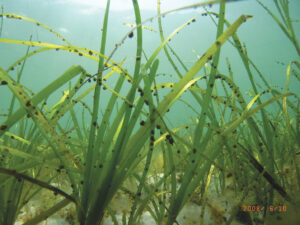
Funding Available for Long Island Sound Eelgrass Restoration Program
NEIWPCC, in cooperation with the Long Island Sound Study (LISS) National Estuary Program and its partners, is inviting proposals to develop and initiate a long-term and large-scale eelgrass seed dispersal restoration program. Eelgrass meadows are identified as a priority habitat for conservation and restoration in the LISS Comprehensive Conservation and Management Plan for their wide-ranging…
-
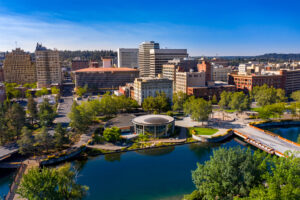
Call for Abstracts: National Tanks Conference
NEIWPCC is now inviting abstracts for the 28th National Tanks Conference (NTC), to be held Sept. 22-25 in Spokane, Washington. NEIWPCC is coordinating the conference in partnership with the planning team of state, tribal and federal program staff to craft an agenda covering timely issues facing the tanks community. Submissions are due by Feb. 7.…
-
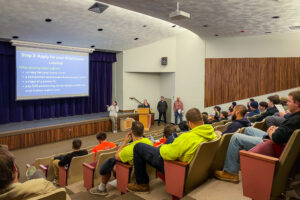
NEIWPCC Partners with Regional High School to Support Wastewater Workforce Needs
In November, NEIWPCC’s training team presented the seminar, “Flush to Fresh: Working in the World of Wastewater,” at Shawsheen Valley Regional Vocational Technical High School, commonly known as Shawsheen Tech. The special event, free and open to the public, attracted more than 55 individuals, many from the school’s adult education plumbing track, to hear about…
-
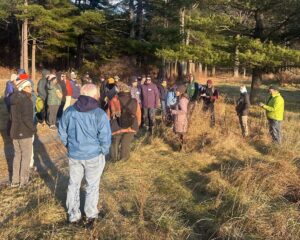
New England and Mid-Atlantic Wetland Professionals Gather to Advance Regional Collaboration
This past November, more than 60 wetland professionals from across the Mid-Atlantic and Northeast traveled to Northampton, Massachusetts for the biennial meeting of two wetlands workgroups – the New England Biological Assessment of Wetlands Workgroup (NEBAWWG) and the Mid-Atlantic Wetlands Workgroup (MAWWG). During this joint meeting, representatives from municipal, state, federal, and tribal governments, as…
-
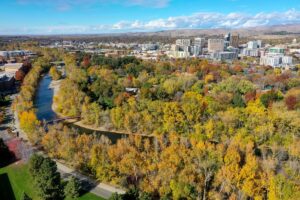
Clean Water Podcast Explores a Watershed-based Approach to Phosphorus Removal in Idaho’s Boise River
In the latest episode of the “Clean Water Pod” podcast, listeners head to Boise, Idaho to learn about an innovative approach to the Lower Boise River Total Maximum Daily Load (TMDL) for nutrients. By expanding their scope, the city of Boise found an atypical way to meet pollutant reductions identified in the TMDL 40 miles…