
A History of USTs in Rhode Island
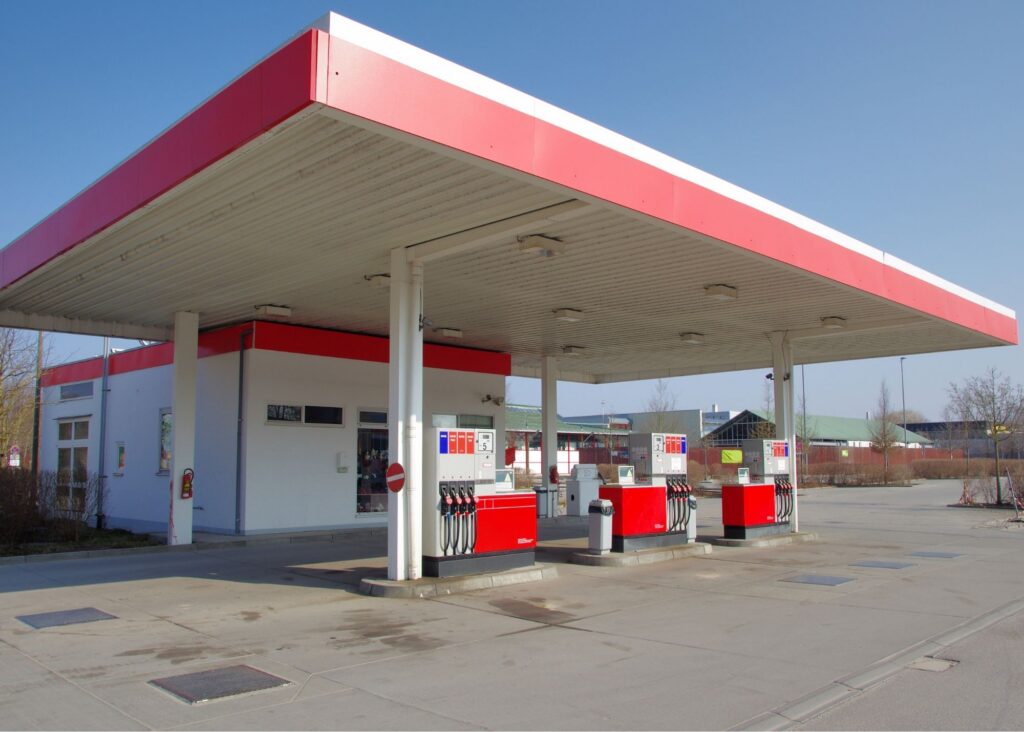
In 1983, CBS’s “60 minutes” aired a special on leaking underground storage tanks (LUSTs) that had been polluting the water supply of Canob Park, a small Rhode Island village, for almost two decades. The neighborhood consisted of 43 homes whose only potable water came from private wells, and a commercial district that included four gas stations.
The disaster had first come to light when a Mobil gas station reported a potential leak in the late 1960s. A local fire chief found the water supply at the scene to be so contaminated that it was “almost ignitable.” Mobil sent an engineer to investigate, who also confirmed a leak had occurred, but the town council was unable to pursue action against the oil company as there were no laws and regulations around petroleum releases in place. Shortly after, a second local gas station owned by Exxon was suspected of having a leaking fuel tank.
“Two or three out of every 10 gas stations in this country are leaking gasoline into the ground, possibly into your drinking water,” said “60 Minutes” host Harry Reasoner, citing a consultant from the petroleum industry.
By the time the episode aired, Canob Park residents had been unable to use their water for more than 14 years. They also could not sell their properties due to the contamination and were forced to rely on bottled water for all their daily needs including cooking, bathing, and drinking.
Due to backlash from the publicity and the development of state and federal regulations around USTs, the corporations agreed to construct and fund a municipal water system to replace the contaminated wells. It was installed in 1985, nearly 17 years after the first documentation of possible contamination. Finally, after many years of remediation, the Rhode Island Department of Environmental Management (RIDEM) issued a “No Further Action” letter to the Exxon site in 2015. However, the Mobil station continues to perform semi-annual monitoring due to residual contamination in the bedrock to this day.
The U.S. Environmental Protection Agency (EPA) credits the episode for bringing national attention to the impact of petroleum leaks from underground storage tanks (USTs) on drinking water supplies. In 1984, Congress added Subtitle I to the Solid Waste Disposal Act, which formed the National Underground Storage Tank Program and directed the EPA to develop a regulatory program for USTs storing petroleum.
Rhode Island’s UST Financial Responsibility Fund
At that time, there were an estimated 2.1 million USTs across the nation. To help manage the load, the EPA partnered with states and interstate organizations like NEIWPCC to implement these new regulations. Soon after, Rhode Island passed additional statewide regulations for facilities that store petroleum to prevent and remediate future incidents like the Canob Park disaster.
In 1993, the EPA approved RIDEM to manage its own UST program. These responsibilities included overseeing the registration, modification, and closure of fuel tanks, as well as the cleanup of leaking underground storage tanks. The Rhode Island program continues to be an important player in protecting water quality from leaks caused by USTs, ensuring that cleanup continues at old sites and that any new releases are met with prompt action.
The program established the Rhode Island UST Financial Responsibility Fund, which covers eligible remediation costs for state and federally regulated tanks that have experienced a petroleum release. This acts similar to an insurance program that allows tank owners to demonstrate financial responsibility in the event of a leak, per state and federal regulations.
The fund is supported by a tax of $0.005 per gallon that is collected by distributors of motor fuel, such as gas stations, throughout the state. The money directly supports cleanup efforts at LUST sites, in accordance with Rhode Island’s UST regulations.
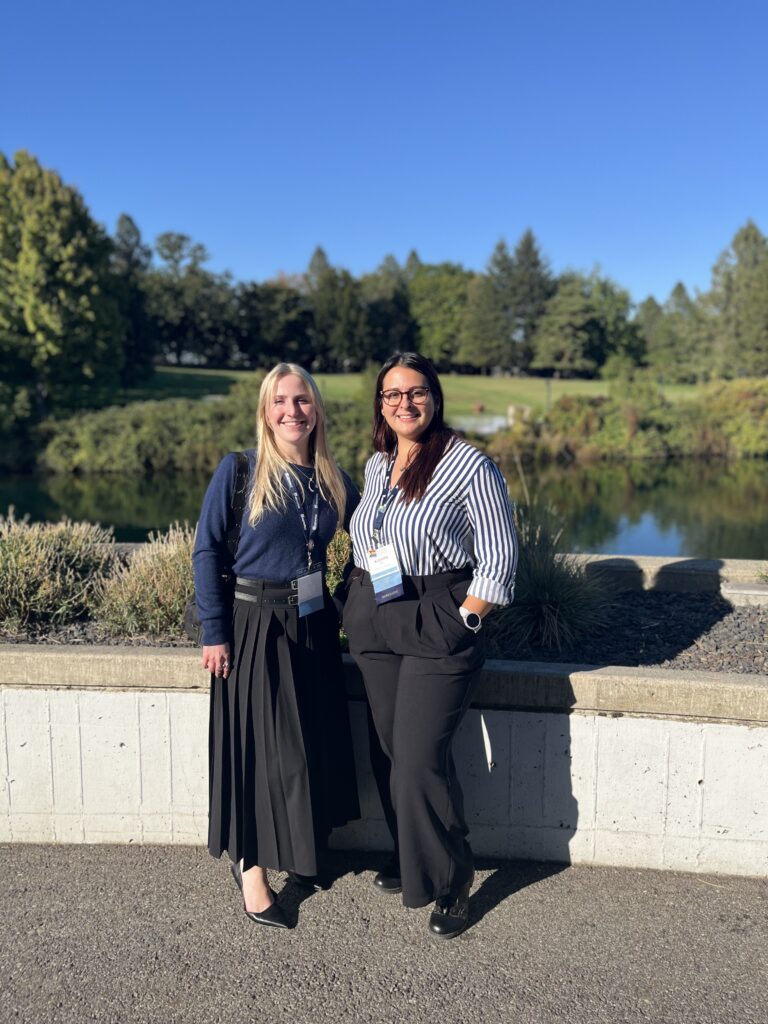
Two of NEIWPCC’s environmental analysts — Kyla Foley and Katerina Peña — work with RIDEM to improve the efficiency and accessibility of the financial responsibility fund to ensure that environmental cleanup can begin in a timely manner.
“Fast remediation leads to faster environmental recovery, resulting in cleaner and safer water throughout Rhode Island,” said Peña.
Both employees have been tasked with making the fund’s application process more efficient and easier to use. This has involved updating and developing new forms, including a guide on ineligible expenses that do not qualify for reimbursement.
“The original document had not been updated since 1999,” said Foley. “We modernized it to better align with our current practices.”
The revised form provides additional specificity on which expenses do not qualify for reimbursement, removes activities that have since become eligible, and was reformatted to comply with current RIDEM branding. The updates have resulted in fewer financial surprises down the line for applicants — and fewer ineligible expenses to sift through for staff. Foley and Peña are also improving the website’s usability by making forms easier to access and providing clear instructions about the application process.
They are working to minimize financial barriers in the program. In 2025, they developed a deductible relief program, designed to lower the up-front costs for gas stations in areas of increased environmental and economic risk for owners and operators who have been in sufficient compliance with state regulations. These changes are intended to support independently owned gas stations, which often do not have funds set aside in the event of releases that can cost millions of dollars to clean up.
“There are many mom-and-pop shops in Rhode Island,” said Peña. “Oftentimes, these businesses have been passed down for generations.” By reducing the deductible amount, small gas stations can act promptly when a leak is detected, rather than pushing off the process until they can afford it.
Additionally, Foley and Peña recalculated the average labor and equipment rates using data from previous claims from the past few years. Allowable rates have increased as costs have risen due to inflation, giving applicants more flexibility in hiring workers for their remediation projects and increased reimbursements.
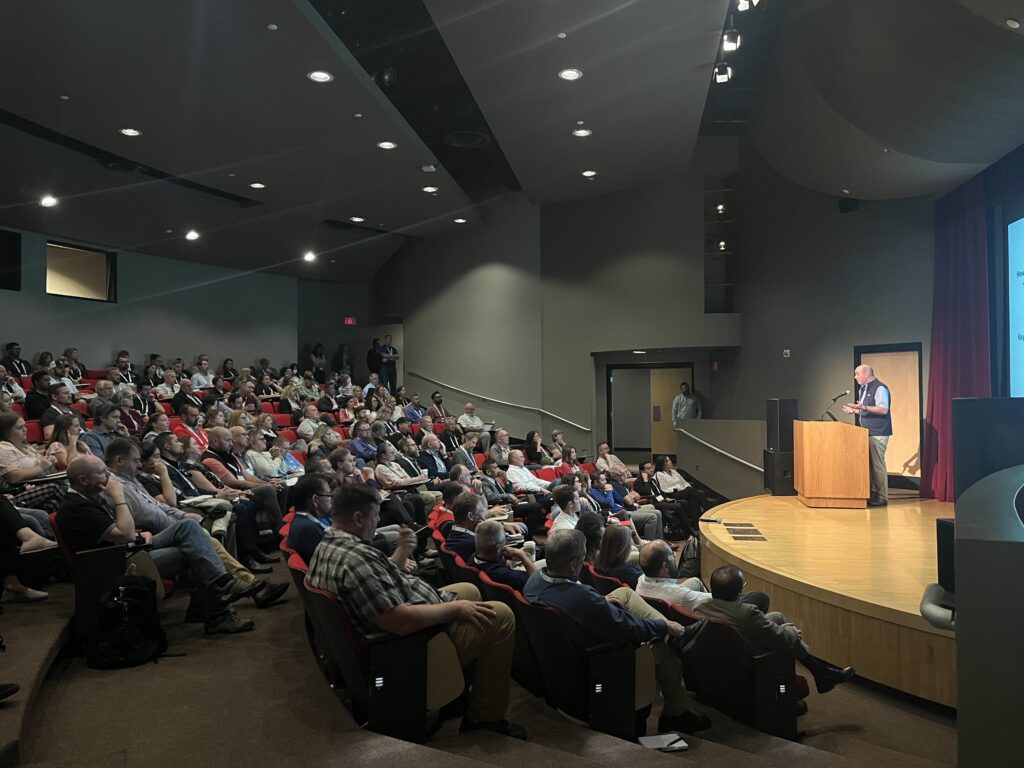
Foley and Peña participate in NEIWPCC’s Region 1 Tanks Workgroup, where they network and share resources with professionals from other member states. And, they learned more about other reimbursement programs like theirs during sessions at the 2025 National Tanks Conference.
“It was great to see how other states operate and take note of policies and practices that we may be able to implement into our fund in the future,” said Foley.
Both environmental analysts review claims for reimbursement each quarter that come in from ongoing cleanup efforts. Each open case can continue to request reimbursements for fund-eligible expenses so long as they remain in compliance with Rhode Island’s rules and regulations. A site receives a “No Further Action” letter when groundwater monitoring wells have tested below the water quality standards for petroleum contamination for a period determined by RIDEM.
They also conduct compliance reviews and inspections and oversee project budgets. Their next project aims to either improve the current database or develop a new one to track and store claims to the fund.
“Our goal is to just be able to remediate LUST sites as quickly and efficiently as possible,” said Peña.
Continuing Threats From USTs
In the decades since the Canob Park petroleum leak occurred, there has been significant progress in the cleanup of underground storage tanks in Rhode Island and across the nation. The EPA reports that more than 581,000 sites have been remediated across the country since the National Tanks Program began in 1984. By 1998, all active USTs had to be upgraded or replaced with systems that met federal leak detection requirements and offered improved protection from spills, overfills, and corrosion.
Despite this, leaking underground storage tanks continue to present a risk in Rhode Island. Approximately 120,000 residents rely on private drinking water wells, according to the Rhode Island Department of Health. Natural underground water supplies are vulnerable to contamination by petroleum releases, which can result in serious environmental and health risks for the surrounding communities.
“Rhode Island has a pretty low water table,” said Peña. “We also have a lot of bedrock, which can fracture. It makes a lot of pathways for petroleum to migrate through.”
Contamination risks can also come from USTs that have been abandoned or do not have an owner who can pay for the cleanups. Leaks from these tanks often go undetected until removal occurs.
NEIWPCC has had a long history of supporting UST-related challenges like these. Since 1984, staff have worked with state, tribal, territorial, and federal regulators to reduce the number of LUST sites. This has included hosting the National Tanks Conference, which brings together hundreds of industry professionals to share resources and learn about emerging issues, policies, and equipment.
Additionally, NEIWPCC offers two workgroups for professionals to collaborate on UST/LUST topics: one for staff who work in its member states and another for those who operate in Indian Country. The Commission also develops and implements trainings including a free, self-paced online operator training for Class A and B operators. NEIWPCC has also published LUSTLine, which promotes the exchange of information in the UST community since 1985.
“NEIWPCC remains committed to carrying on the legacy of supporting nationwide UST programs through our interstate programs and communication,” said James Plummer.
For more information on NEIWPCC’s work with USTs, contact Plummer. Read more about the Canob Park incident in Issue 80 of LUSTLine.