
-
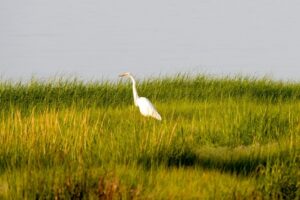
Funding Available for the Development of a Long Island Sound Habitat Connectivity Model
NEIWPCC is inviting proposals for improving and refining data inputs and metrics for a pilot model to assess habitat connectivity in the Long Island Sound and its watershed. This work includes developing GIS shapefiles for existing New York habitat restoration projects, and builds on the results and findings of a pilot feasibility assessment completed in…
-
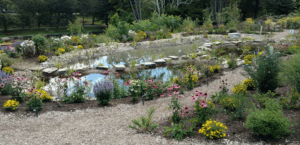
Long Island ‘Garden Rewards’ Program Reimburses Property Owners for Water Saving Efforts
Long Island, New York property owners can help reduce stormwater runoff and nitrogen pollution in local waterways through the annual Garden Rewards Program. This initiative provides a financial reimbursement of up to $500 for implementing water saving projects in their yards, including rain gardens, native plantings, and rain barrels. Property owners in Suffolk and Nassau…
-

Submerged Aquatic Vegetation Mapping of Long Island Sound Finds Net Increase in Eelgrass Habitat
The University of Rhode Island’s Environmental Data Center recently completed a major update of submerged aquatic vegetation (SAV) mapping for the Long Island Sound (LIS) and the Peconic Estuary (PEC), marking the first region-wide survey of this kind since 2017 for LIS and 2014 for the Peconic. The project, funded by the U.S. Environmental Protection…
-

New Action Agenda Outlines Long Island’s Clean Water Goals
The New York State Department of Environmental Conservation (NYSDEC) released the Long Island Watershed Action Agenda, a ten-year strategic plan for improving water quality on Long Island, including aquatic habitat conservation and groundwater protection. The Action Agenda is part of the NYSDEC’s Long Island Watershed Program, which is supported by NEIWPCC staff. “The Long Island Watershed…
-
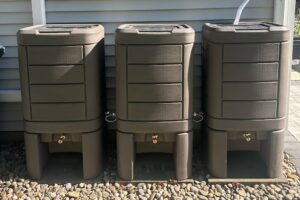
Program Incentivizes Stormwater Reduction Efforts on Long Island
The third year of the Long Island (New York) Garden Rewards Program provided more than 170 property owners with reimbursements to help offset the cost of stormwater runoff mitigation projects. The program is a partnership between NEIWPCC, the New York State Department of Environmental Conservation (NYSDEC), Long Island Regional Planning Council (LIRPC), and the Long Island Sound Partnership…
-
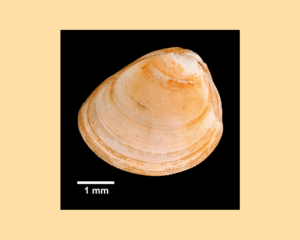
New Index Evaluates the Health of Long Island Sound
A collaborative effort has culminated in the launch of an innovative macroinvertebrate‑based assessment tool for Long Island Sound bays and harbors. Developed by contractor Tetra Tech alongside the Connecticut Department of Energy and Environmental Protection (CT DEEP) and NEIWPCC, the Connecticut Long Island Sound (CTLIS) Macroinvertebrate Multimetric Index (MMI) offers a science‑driven method to evaluate…
-
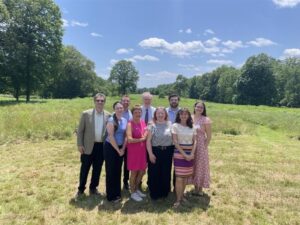
Celebration Honors 40 Years of Action to Improve the Long Island Sound
NEIWPCC joined senior officials from the EPA, Connecticut and New York, along with many other partners, on June 20 in Rye, NY, to celebrate 40 years of progress in restoring and protecting the Long Island Sound. The event also marked the announcement of a new plan that sets a 10-year roadmap to revitalize the Sound…
-
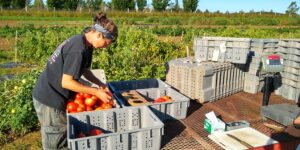
New Bioextraction Research Informs Water Quality Work in the Long Island Sound
Nutrient pollution resulting from wastewater, fertilizer and stormwater runoff negatively impacts the health of the Long Island Sound and its coastal bays, harbors, and tidal estuaries. One way to address this pollution is through bioextraction — a method that combines growing and harvesting shellfish and seaweed for the purpose of removing nitrogen and other nutrients…
-
Long Island ‘Garden Rewards’ Reimbursement Program Available to Help Reduce Runoff and Nitrogen Pollution
Long Island property owners have a unique opportunity to play a role in reducing stormwater runoff, a primary contributor to nitrogen pollution in local waterways, through the annual Garden Rewards Program. This initiative offers financial reimbursement of up to $500 for implementing eco-friendly solutions such as rain barrels, native plantings, and rain gardens. Property owners…
-
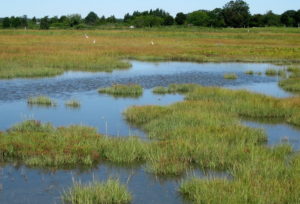
New Report Examines Habitat Connectivity in the Long Island Sound
The Long Island Sound Study (LISS) and its partners have a new resource to inform habitat conservation actions. The “Assessment of Existing Coastal Habitat Connectivity Data and Models for Feasibility and Use in the Long Island Sound” report was produced by WSP USA, an engineering consulting firm, for LISS. The document identifies relevant habitat connectivity…