
At the September meeting of NEIWPCC’s Executive Committee and Commissioners, the assembled representatives of the member states voted to confirm the proposed slate of officers for the new fiscal year, beginning October 1.
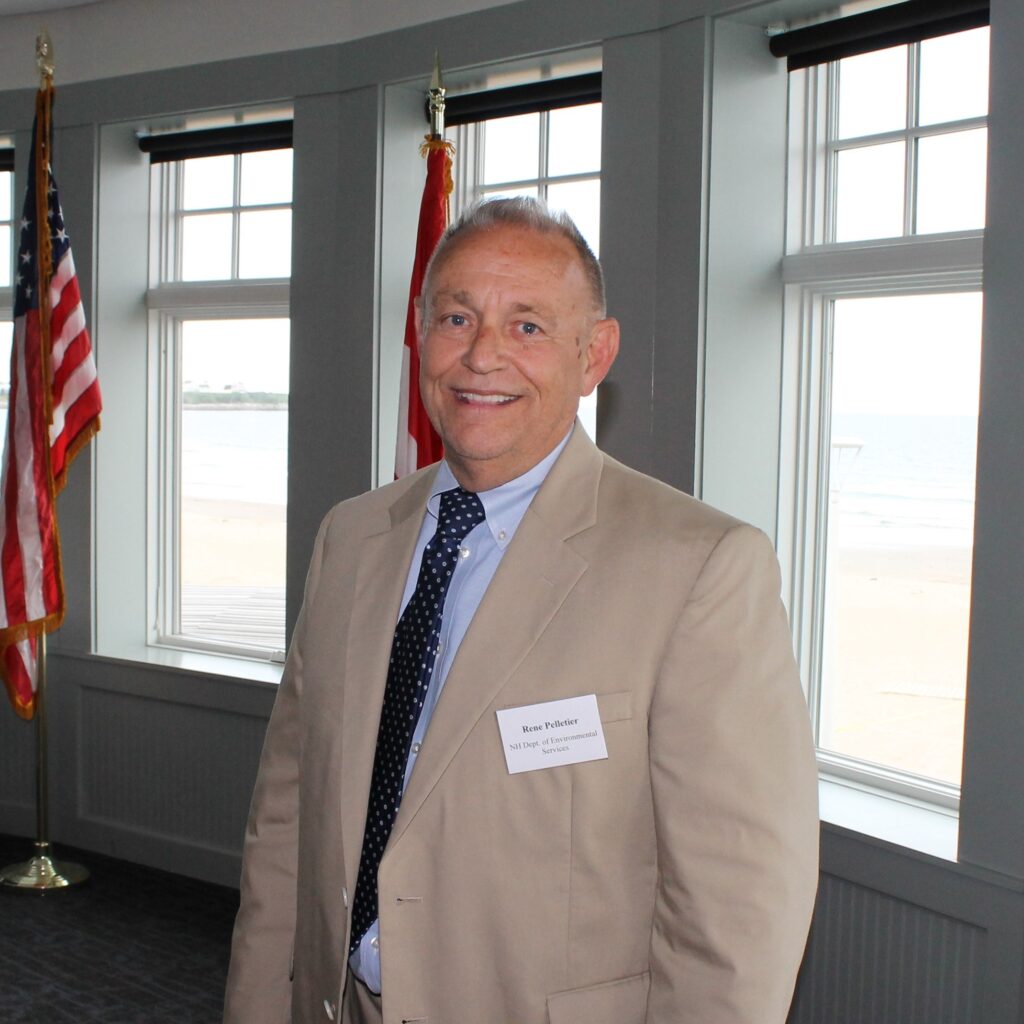
New Hampshire commissioner Rene Pelletier will serve his second year as chairman. Pelletier has worked with the state’s Department of Environmental Services for the past 50 years, currently serving as Water Division director.
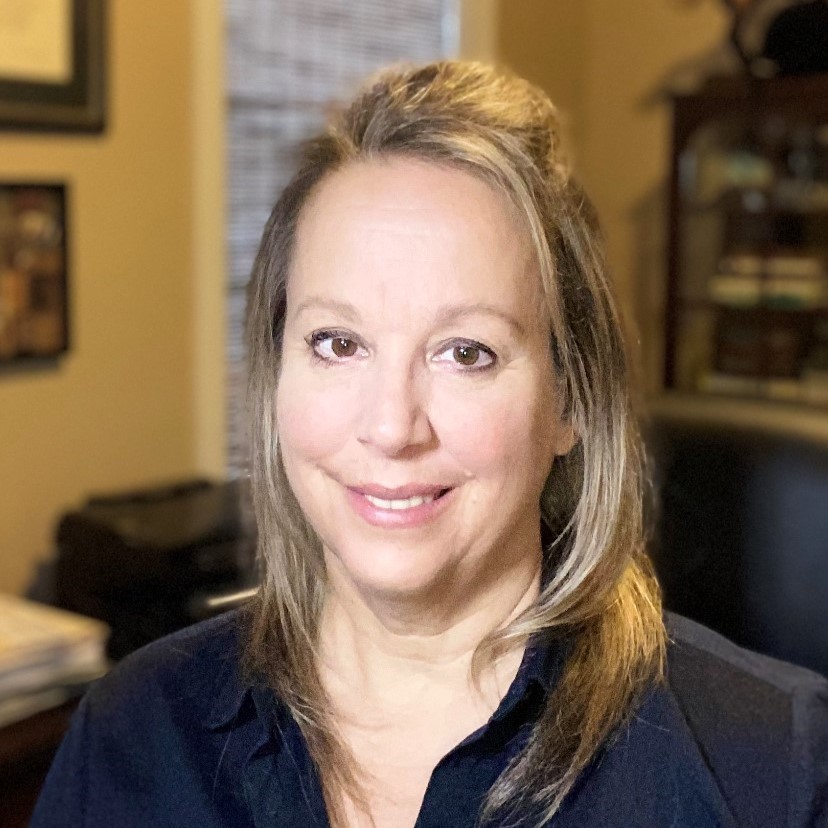
Carol Lamb-LaFay will continue in her two-year term as vice-chair. She currently is the director of the New York State Department of Environmental Conservation’s Division of Water. Previously, Lamb-LaFay served as the director for the Bureau of Water Permits, responsible for New York’s State Pollutant Discharge Elimination System (SPDES) permitting program.
And, longtime treasurer Harry Stewart will serve another year in that role. Now retired, Stewart was a senior associate at Normandeau Associates, which focused on diverse water-related projects and Clean Water Act regulatory and permitting issues. Previously, he worked at the New Hampshire Department of Environmental Services, including 16 years as Water Division director.

The Executive Committee and Commission, consisting of five highly experienced water quality professionals from each of its seven member states, governs NEIWPCC, collaborating across state lines to guide its agenda and identify new priorities. These 35 commissioners are leaders in the states’ environmental and health agencies, supplemented by experts from the private sector. The full Commission holds three multi-day meetings annually, with representatives from the EPA Region I and II in attendance.
The meetings provided a forum for the state representatives to connect, identify and discuss water quality-related concerns; offer guidance to NEIWPCC in implementing strategies, projects and programs; and formulate a regional response to environmental policy initiatives. In particular, the commissioners are currently focused on numerous challenges common to all of their states, including chloride impairment, PFAS and biosolids, cyanobacteria, staffing shortages, permit programs, and invasive species in water bodies. With this expertise, NEIWPCC is positioned to better serve the states in addressing these issues and administering solutions.