
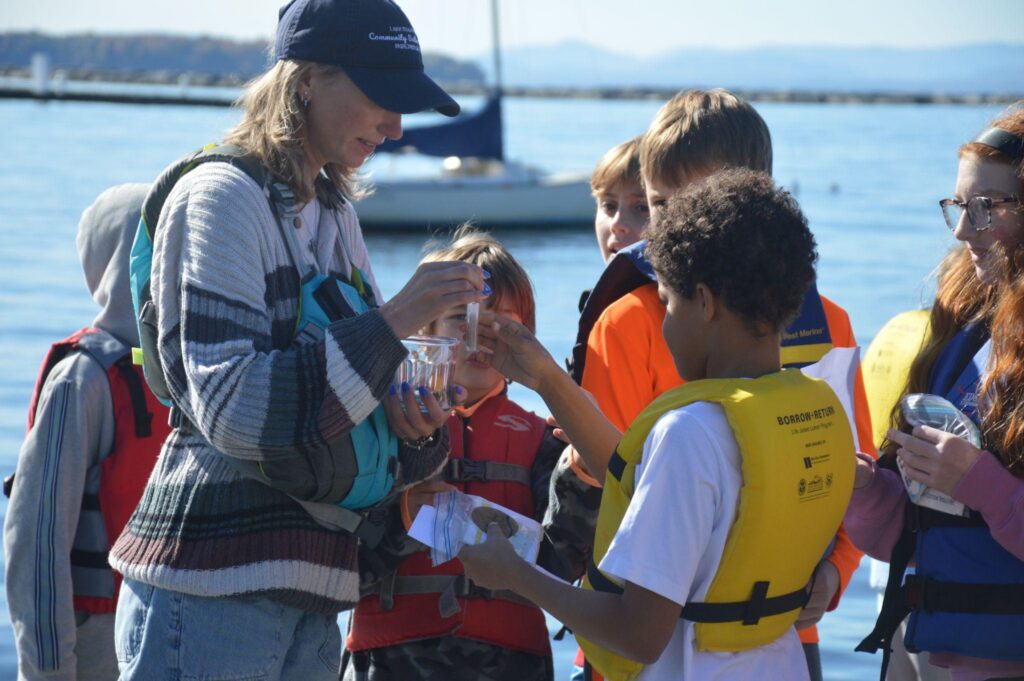
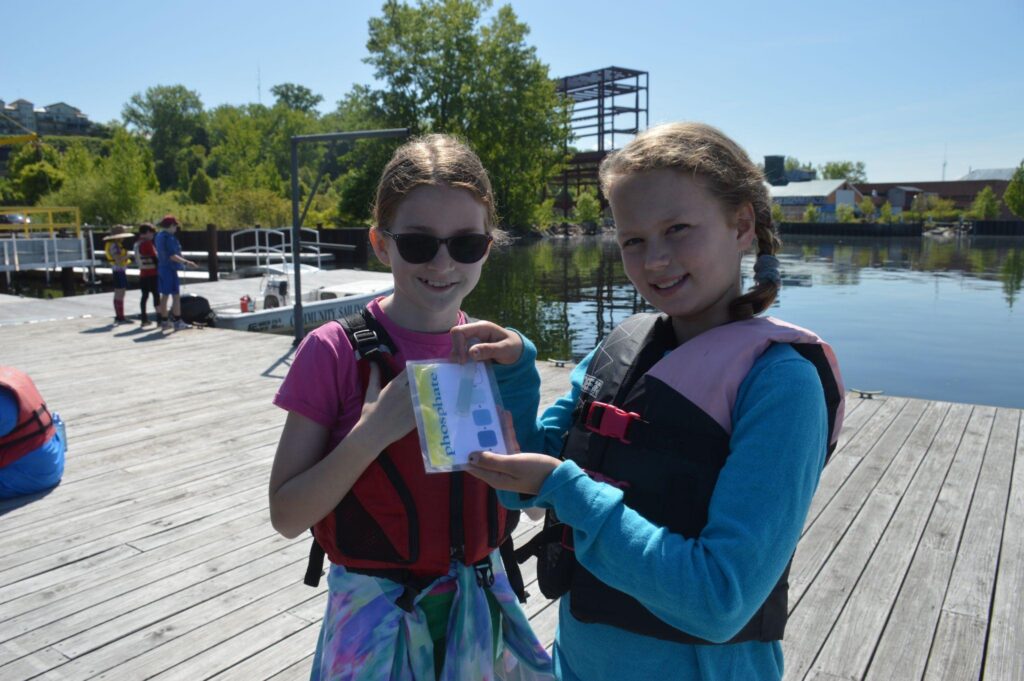
While sailing and exploring the Lake Champlain ecosystem, students receive a hands-on education with the Community Sailing Center (CSC), a local nonprofit organization. In 2025, CSC engaged 688 students from the Burlington and Winooski school districts — Vermont’s most economically underserved districts — in two educational programs. The curriculum focused on experiential STEM learning, watershed science, sailing, and leadership development aimed at fostering environmental literacy, resilience, and stewardship.
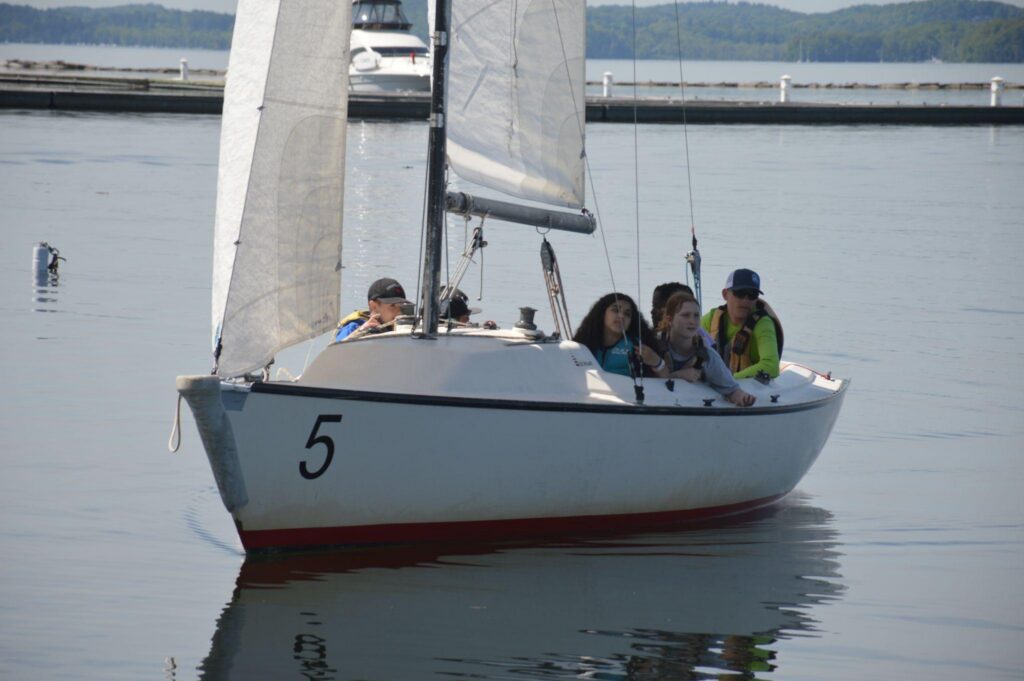
“The Lake Champlain Community Sailing Center is a long-time partner doing fantastic work to create opportunities for everyone to learn about and enjoy Lake Champlain,” said Stephanie Larkin, outreach specialist at the Lake Champlain Basin Program, who oversaw the project. “Coupling classroom learning with on-lake experiences provides students the chance to understand the science of the Lake while also building a connection to it. These programs are working to create the next generation of lake stewards, one classroom and one boat at a time.”
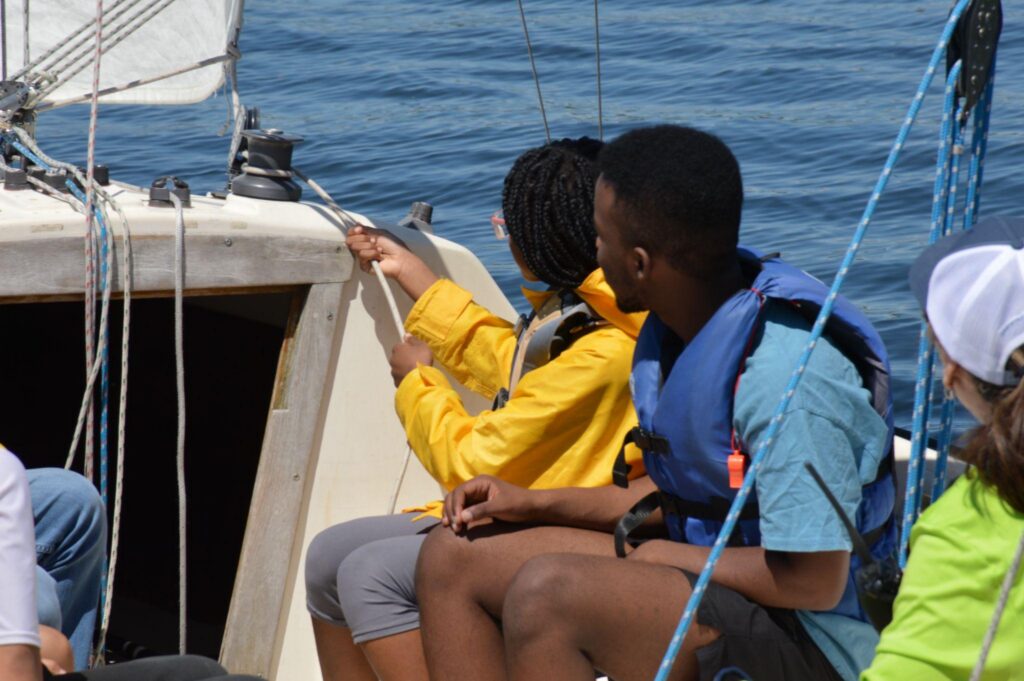
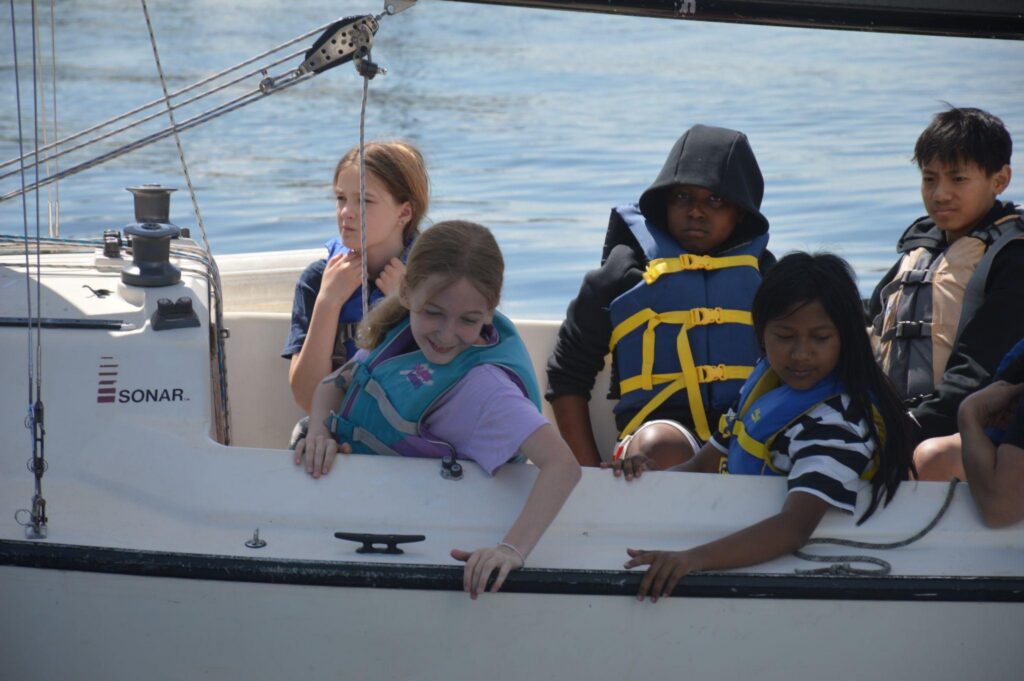
The Floating Classrooms program engages students in grades 3-5 in lessons on shore and while sailing aboard keelboats — a type of sailboat. Program participation includes three touchpoints: a fall and spring visit to the CSC to get out on the water, as well as one winter classroom visit. The curriculum centers on lake ecology and STEM education while aligning with Next Generation Science and Common Core Standards.
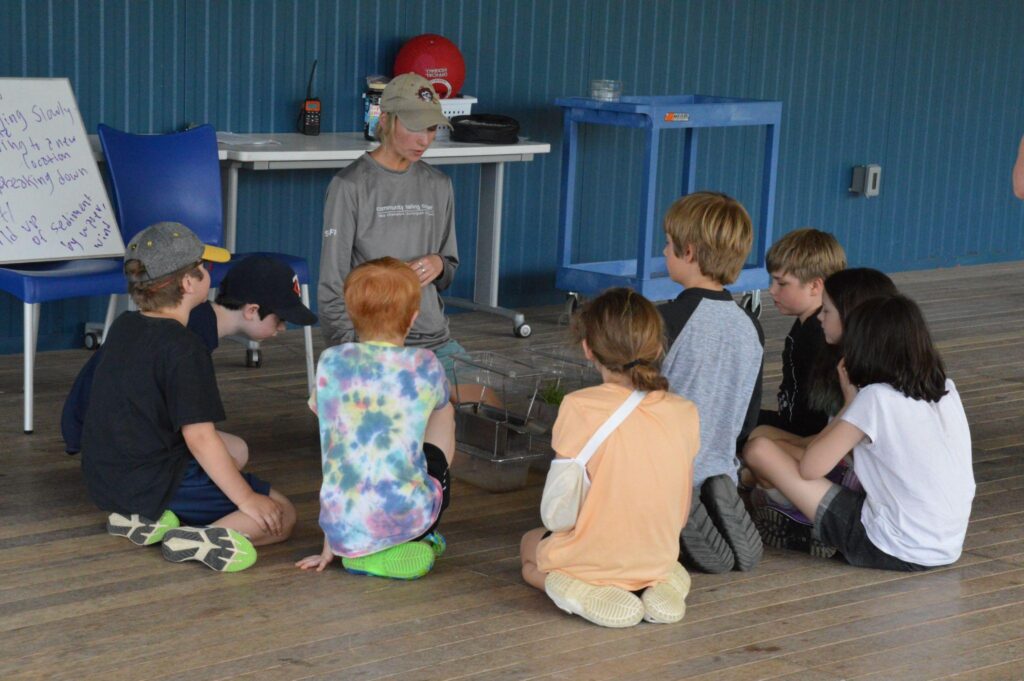
The LeaderShip program services grades 3-12 and focuses on teamwork and skill-building through boat-based experiences. The youth work together to overcome challenges, set goals, and build communication skills while sailing or paddling a canoe, kayak or stand-up paddleboard.
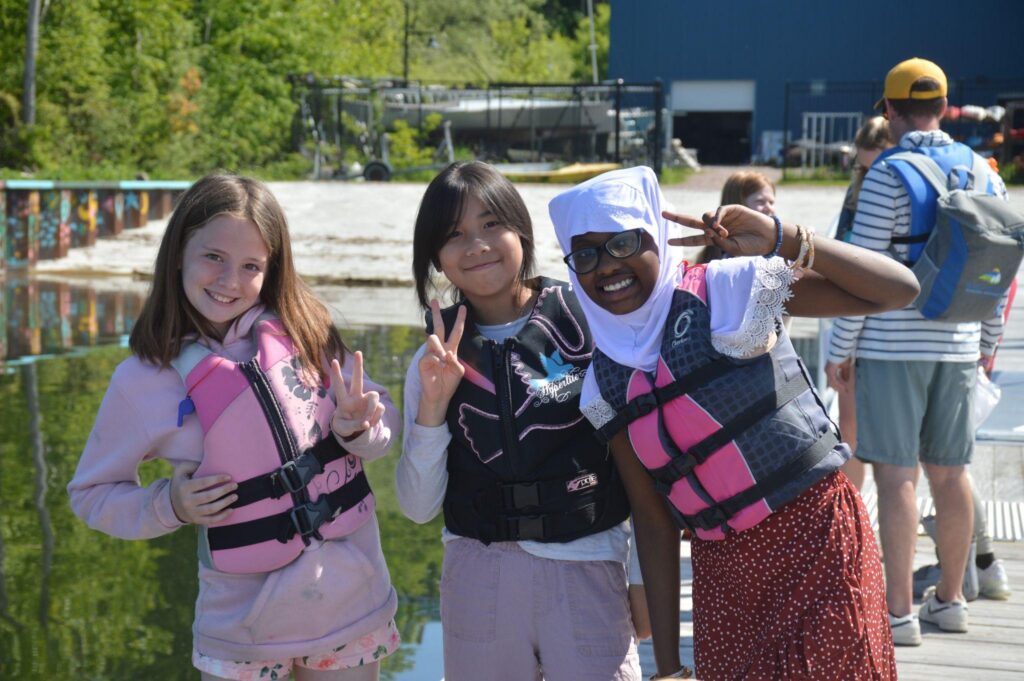
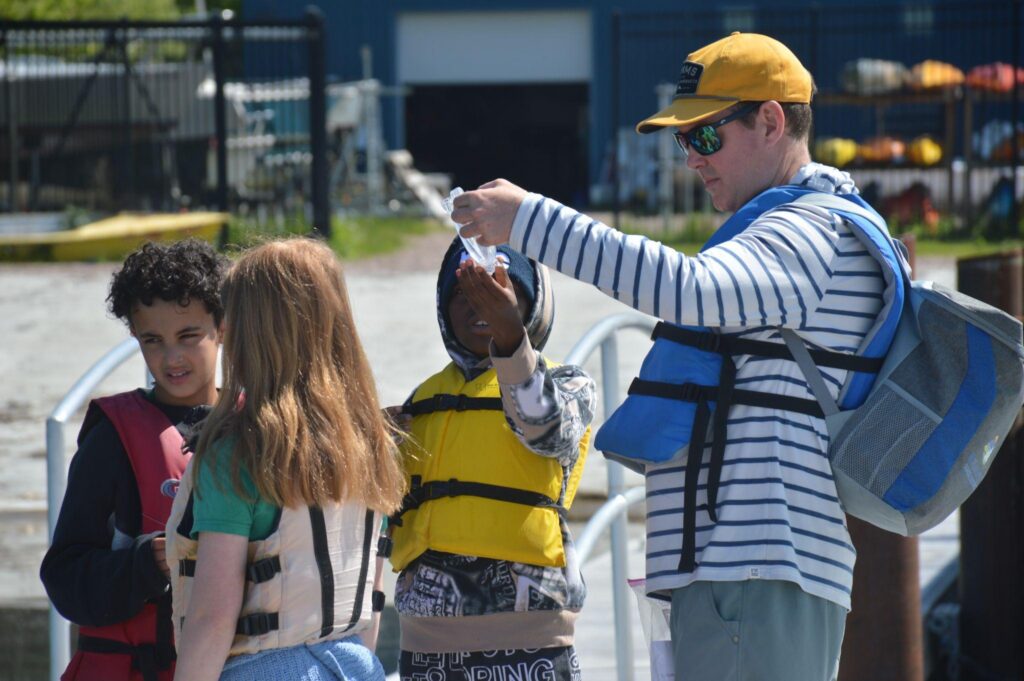
Beyond providing locally based environmental education to the students, the project also increased access to Lake Champlain and strengthened school partnerships.
This project was funded by an agreement awarded by the U.S. Environmental Protection Agency to NEIWPCC in partnership with the Lake Champlain Basin Program.