
By Sarita Croce, David Aucoin, Gary Marino and Thomas Guthlein
In July of 2023, a flood event in Vermont impacted the operational capabilities of 28 wastewater facilities and rendered one treatment plant irreparably damaged. Flood events like these often reveal vulnerabilities within water and wastewater infrastructure. While emergency response plans exist, many facilities are ill-equipped to handle such disasters effectively. Several factors contribute to this unpreparedness: priorities, resource allocation, and systemic oversight.
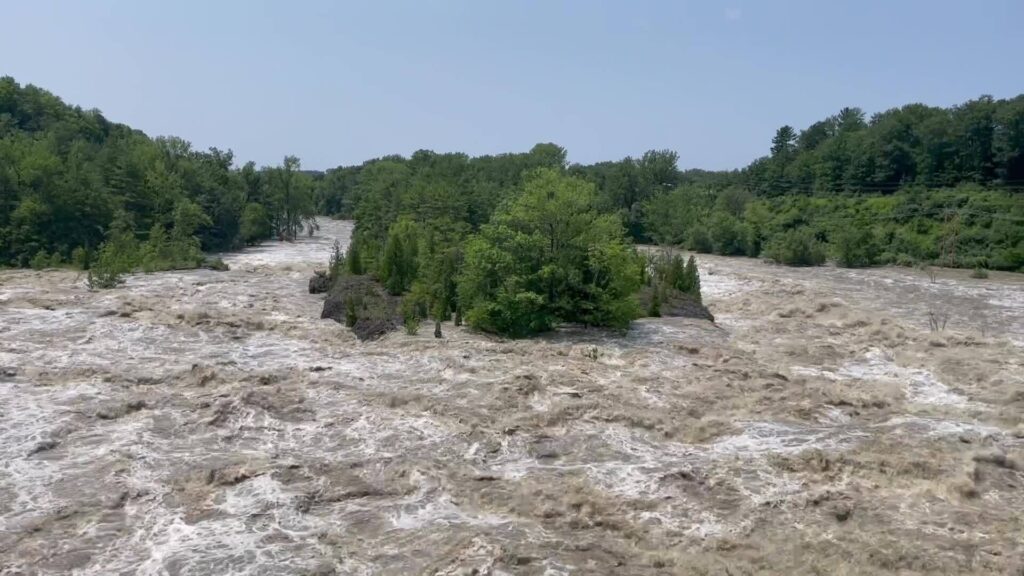
In response, NEIWPCC’s Executive Committee and Commissioners directed NEIWPCC to investigate why the plants were unprepared to contend with severe flooding. An initial evaluation revealed that it stemmed from a combination of systemic neglect, underfunding, inadequate planning, and the focus on immediate human needs during a disaster. Addressing water utility issues requires a paradigm shift towards integrating infrastructure resilience into emergency planning, ensuring that water and wastewater systems are as ready in advance as the electric utilities, fire, and police.
Per the National Oceanic and Atmospheric Administration’s (NOAA) National Centers for Environmental Information, in 2023 there were 28 individual weather and climate disasters (hurricanes, tornados, winter storms, etc.) with at least $1 billion in damages, and 27 such events in 2024. Back in Vermont, the Department of Environmental Conservation recorded another nine wastewater treatment facilities breakdowns in 2024, due to flooding or high flows, leading to raw sewage discharges. These continuous and growing challenges emphasize the need for significant and sustained investment in disaster preparedness.
In addition to the effect on water and wastewater infrastructure, heavy precipitation can significantly impact the water quality of surface waters. With high flow and powerful downpours during an event, sediments and atmospheric air pollutants can enter waterways, altering the physical and chemical conditions of the water. According to NOAA, more than $200 billion in damage was caused nationally by extreme rain and flooding from 2000 to 2019. And “due to more intense and more frequent severe storms and flooding, it has been estimated that the annual costs of these events in the U.S. will rise from $32 billion [in damages] in 2020 to $41 billion by 2050.”
Preparedness
In order to continue to provide the water treatment and wastewater services communities depend on, water utility infrastructure needs to be ready and protected from the impact of severe weather events. This means developing scenarios and procedures which allow utilities to respond to various disasters, and building connections between utilities, states, and communities to get help.
Developing the scenarios and procedures for a water utility’s response to a weather emergency involves a multifaceted approach centered around preparedness, response, and recovery. Examples of the key preparedness components of the approach include the following:
- An Emergency Response Plan is a crucial component of preparedness. It outlines strategies, resources available, roles and responsibilities, and all the procedures for preparing and responding to incidents including weather emergencies.
- Risk identification, which includes categorizing potential weather-related hazards and their potential impact on the utility’s infrastructure and operations. This includes evaluating previous emergencies and applying any areas for improvement into the procedures.
- As an output to the risk identification, incident action checklists can be developed for different types of weather events. These checklists provide step-by-step guidance for emergency personnel during an event.
- Contingency plans should also be developed to address various scenarios such as extended power outages, fuel shortages, or disruption to chemical supply chains.
- Communications protocols should be established to ensure that the required information is relayed to the public and key stakeholders.
- Ensure that the facility has redundancy and back-up power for all critical equipment and systems. This includes evaluating fuel reserves and for wastewater facilities storage capacity.
- Identify alternate water sources for drinking water facilities.
- This includes looking at bulk water haulers, bottled water supplies, and interconnections with neighboring utilities in the event of service disruption.
- Training exercises/drills so that personnel understand and can implement the procedures.
- Establish mutual aid agreements to ensure access to resources and personnel during an emergency.
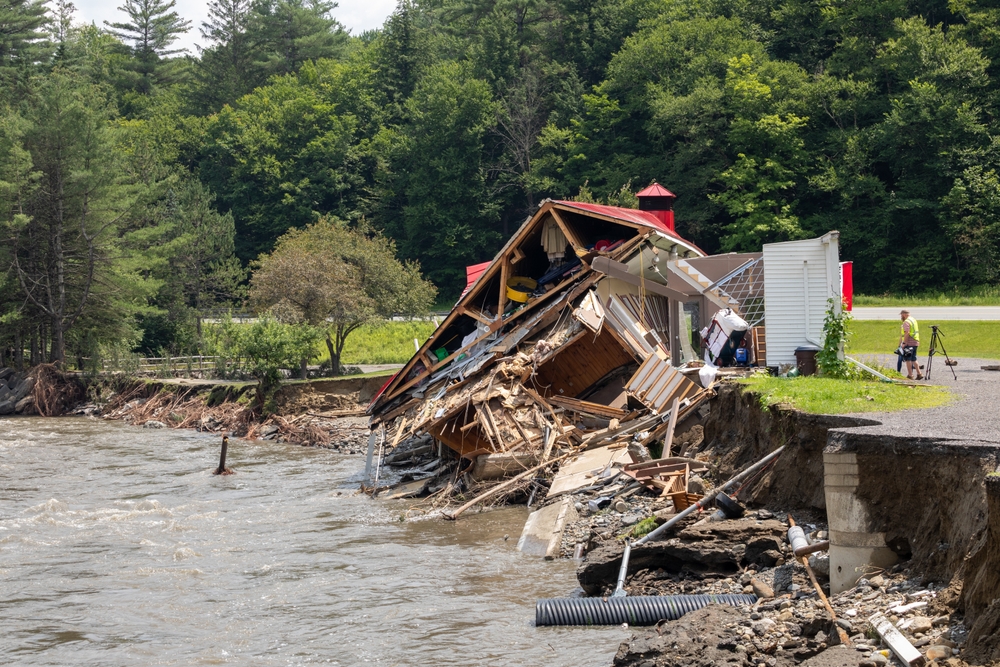
Mutual aid is an extremely important component of the preparedness approach, because in times of crisis, collaboration and swift action are paramount. Since no single state or utility has the capacity to handle every possible disaster scenario on its own, mutual aid fills gaps in capabilities and ensures that none are left to face a crisis alone. Utilities are able to request and receive assistance from both within and outside their state quickly and efficiently.
These systems include:
- The Emergency Management Assistance Compact (EMAC) is a federal framework that enables states to help each other by providing mutual aid during emergencies and disasters. EMAC was established in 1996 and ratified by Congress.
- Water and Wastewater Agency Response Networks (WARNs) are voluntary, state-level mutual aid networks that connect water and wastewater utilities. These networks enable utilities within a state to share resources, expertise, and personnel during emergencies. By responding swiftly and effectively to crises, disruptions to water services utilities can be minimized.
The Emergency Management Assistance Compact (EMAC)
“EMAC is the first national disaster relief compact since the Civil Defense and Disaster Compact of 1950 to be ratified by the U.S. Congress. Since ratification and signing into law in 1996 (Public Law 104-321), 50 states, the District of Columbia, Puerto Rico, Guam,
U.S. Virgin Islands and the Northern Mariana Islands have enacted legislation to become EMAC members.”
EMAC helps states and their utilities during governor-declared states of emergency or disaster. The National Emergency Management Association (NEMA) administers the Emergency Management Assistance Compact. Water and wastewater agencies do not directly activate EMAC. All EMAC requests and offers of assistance must go through their respective State Emergency Management Agency (EMA). It is crucial for utilities to establish relationships with their local and state EMAs before an emergency to streamline this process.
The EMAC process is divided into the following categories:
- Types of resources shared: Under EMAC, water and wastewater agencies can share a wide range of resources, including:
- Personnel: skilled operators, engineers, lab technicians, maintenance crews and administrative support.
- Equipment: pumps, generators, water treatment units, lab testing equipment, vehicles, heavy machinery and specialized tools.
- Materials: pipes, fittings, chemicals, spare parts and potable water.
- Technical expertise: knowledge and experience in areas such as system assessment, repair and restoration.
- Pre-event preparation: EMAC has training courses which assist utilities with the development of emergency response plans and Mission Ready Packages (MRP). An MRP outlines the mission and resource description, resource type as defined by the National Incident Management System (NIMS), NIMS job position/qualifications, space/size needed, limiting factors, logistical support needs, personnel rotation requirements, equipment requirements, maintenance needs, commodities, travel, lodging, meals and all associated costs. Finally, EMAC in each state has regularly scheduled training exercises to build connections and improve collective ability to respond to disasters.
- Activation: To receive resources through EMAC, a state’s governor must declare an emergency or disaster which authorizes funds to be expended for response and recovery efforts and activating EMAC. Prior to the declaration, the affected state opens an event in the online EMAC Operations System (EOS), alerting both the National Coordinating State (NCS) and National Emergency Management Association (NEMA).
- Request and Offer: Once resource requests are sourced to EMAC, the request and offer process is initiated. States will evaluate their ability to help. If the utility has MRPs this process takes less than a minute. The requesting and assisting state emergency management agencies complete the EMAC Resource Support Agreement (RSA) for accepted offers of assistance. The complete RSA constitutes a legally binding agreement between the two states.
- Response: Once the RSA is complete, staff/resources can be deployed to the state requesting assistance. Deploying personnel receive a briefing and an EMAC Mission Order Authorization Form (Mission Order), and are taught how to track expenses and maintain documentation. During the response, deployed personnel are required to maintain contact with their home state emergency management agency.
- Reimbursement: After returning to their home state, deployed personnel (and any other resource providers) submit a reimbursement package to the assisting state. The packages are reviewed/audited and then reimbursement is processed. However, a state’s obligation to pay EMAC reimbursements is not contingent upon the receipt of federal funds.
- Post Event Evaluation: This comprehensive process helps all participants to learn from their experiences. As a result, they can continuously improve best practices and improve future disaster response efforts.
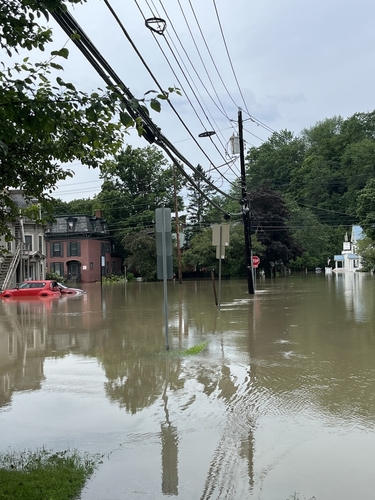
The strength of EMAC and the quality that distinguishes it from other plans and compacts lay in its governance structure; its relationship with federal agencies, national organizations, states, counties, territories, and regions; the willingness of state and response and recovery personnel to deploy; and the ability to move any resource from one state to assist another state.
One of EMAC’s most significant advantages is the legal and financial framework it provides. When states assist one another under EMAC, they are protected from liability issues, and reimbursement processes are clearly defined. This ensures that states can focus on providing aid without worrying about legal or financial complications. The compact also allows the licenses from states to be easily transferred, which allows operators to fully engage in the response.
Water and Wastewater Agency Response Networks (WARN)
In February 2006, eight major water organizations signed the Joint Policy Statement on Mutual Aid and Assistance Networks, encouraging utilities and local/state governments to establish intrastate systems. This led to the creation of WARN, which are state organizations. When disasters strike, the WARN framework is uniquely set up to immediately provide assistance. This can include equipment, technical expertise, or even personnel to help restore operations. WARN membership can include both public and private utilities. Similar to EMAC, WARN agreements have liability protections and allow for reimbursement.
WARNs reduce the cost of response by enabling utilities to share resources rather than purchasing or renting expensive equipment. This is key for municipal utilities which may not have deep pockets and can be strained financially by emergencies. The goal is to quickly access the tools they need to respond effectively.
WARNs operate similar to the EMAC process, but on a more localized scale:
- Pre-event Preparation: Since WARN member utilities do not have to wait for a state-declared emergency, this allows for early preparation and increased resilience.
- Activation: When a utility requests assistance from its state WARN and another member utility is able to assist, the entire duration of the responding utility’s deployment is known as the “period of assistance.” During this time, all aspects of the WARN Mutual Aid Agreement are adhered to by both parties. This includes valuable aspects such as worker’s compensation insurance coverage and indemnification of potential equipment damage.
- Request and Offer: Utilities that are part of their state WARN programs have the unique ability to request assistance prior to, during, and after an emergency. Fellow WARN member utilities are never obligated to provide assistance. If the WARN program is unable to fulfill the request, it is routed directly to the EMAC level of support.
- Response: Once a request for assistance is made through the WARN network, a utility that is able to respond may do so during the period of assistance. During this time, the responding utility may retract all assistance if needed, without being held liable for any reason.
- Reimbursement: Following a WARN mutual aid event, reimbursement for personnel and equipment costs may be requested by the responding utility. However, seeking reimbursement in most state WARNs is optional.
Infrastructure Replacements
Critical infrastructure located in flood-prone areas should undergo comprehensive evaluation and modeling to identify and prioritize capital projects that best provide hazard mitigation and ensure protection against 100-year and 500-year storm events. Integration of replacement strategies into disaster preparedness is not just about resilience but also operational integrity and public health.
To achieve comprehensive disaster preparedness, water and wastewater utilities should extend beyond immediate response protocols and include strategic, long-term investments to systematically rehabilitate or replace aging infrastructure which is fundamental to achieving flood resilience. The deterioration of existing water infrastructure compounds the risks posed by flooding. Integrating the replacement of aging assets into disaster preparedness strategies is essential to mitigate the risk and establish flood resilience and accelerate recovery during emergencies.
In addition, flood mitigation measures requiring major capital and infrastructure investments should be fully incorporated into the utility’s overall asset management planning and scheduling processes. While physical infrastructure is vital, effective flood resilience also depends on policy framework, updated emergency response protocols, and inter-agency coordination.
Conclusion
Both WARN and EMAC have regularly scheduled training exercises that help build connections and improve collective ability to respond to disasters. These networks embody the spirit of collaboration, ensuring that utilities can overcome challenges together. By joining and engaging with these organizations, utilities can protect public health, safeguard critical infrastructure, and build stronger, more resilient communities.
NEIWPCC also developed a video with information on both EMAC and WARN.
Joining EMAC and WARN
Below are the contact details and websites to join EMAC and WARN for the New England states and New York.
WARN Contacts
Connecticut
Tom Barger
tbarger@rwater.com
203-401-2710
CTWARN
Maine
Matthew Demers
mdemers@mainerwa.org
207-737-4092
www.mewarn.org
Massachusetts
Kirsten King
kirsten@NEWWA.org
508-893-7979
www.mawarn.org
New Hampshire
Alan Côté
alancote@derrynh.org
603-432-6144
www.t2.unh.edu
Johnna McKenna
johnna.mckenna@des.nh.gov
603-271-7017
New York
Marty Aman
maman@wcwsa.org
315-986-1929
www.nywarn.org
Rhode Island
Gary Marino
gmarino@provwater.com
401-521-6300
Dave Aucoin
daucoin@narrabay.com
401-461-8848 x418
RIWARN
Vermont
Liz Royer
lroyer@vtruralwater.org
802-917-3701
www.vtwarn.org
Brad Roy
broy@vtruralwater.org
EMAC Contacts
Connecticut
Christopher Brooks
Christopher.Brooks@ct.gov
860-538-9432
portal.ct.gov/demhs/legalresources/
mutual-aid-andemac
Maine
Faith Staples
Faith.E.Staples@maine.gov
207-557-3675
www.maine.gov/mema/
response-recovery/incidentmanagement/
mutual-aid
Massachusetts
Jaclyn Hamel
jaclyn.hamel@mass.gov
508-820-2067
Mass. Emergency Management Agency
New Hampshire
Katie Denoncourt
Katie.e.Denoncourt@dos.nh.gov
603-223-4246
https://www.hsem.dos.nh.gov/
Megan Hoskins
megan.a.hoskins@dos.nh.gov
603-223-8428
https://www.hsem.dos.nh.gov/
New York
David Smith
David.Smith3@dhses.ny.gov
518-292-5955
www.dhses.ny.gov/federalguidance-
and-resources
Rhode Island
Thomas Guthlein
Thomas.Guthlein@ema.ri.gov
401-462-7121
riema.ri.gov/contact-us
Vermont
Brett LaRose
Brett.larose@vermont.gov
802-244-8721
vem.vermont.gov/
This article was originally published in the Fall 2025 edition of Interstate Waters magazine. Dave Aucoin is the CSHO, safety compliance coordinator II, of the Narragansett Bay Commission. Sarita Croce is the director of NEIWPCC’s Water Resource Protection Programs. Gary Marino is the division manager, engineering, for Providence Water. Thomas Guthlein is the chief of operations for Rhode Island Emergency Management Agency.